Custom
DAFO KAFO Static
Product Features
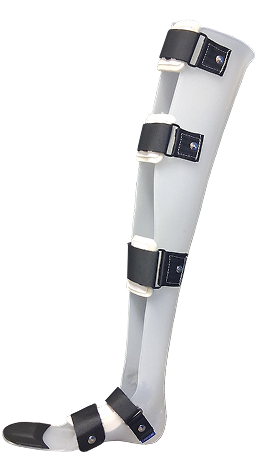
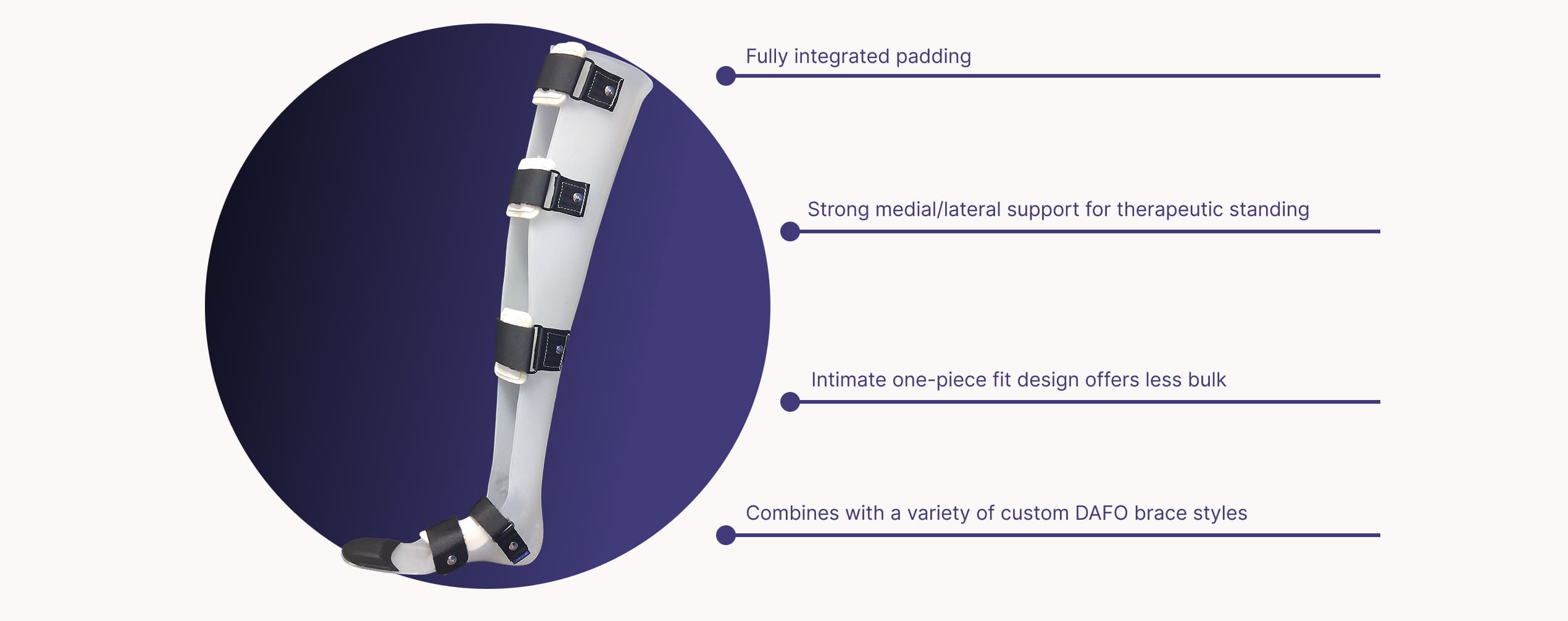
A Solid knee and ankle support for resting, stretching, and controlled lower-extremity positioning.
Sizing, Ordering & Fabrication for DAFO KAFO Static
Obtain the required cast or measurement details for the full lower extremity.
Complete the DAFO KAFO Static order form.
Specify the desired alignment and positioning goals for the knee, ankle, and foot.
Submit the order details for custom fabrication.
Custom
DAFO KAFO Static
Solid knee and ankle support for resting, stretching, and controlled lower-extremity positioning.
Real-World Outcomes of DAFO KAFO Static
In before-and-after assessments, patients wearing DAFO KAFO Static demonstrated:

More consistent knee positioning during rest

Better combined foot, ankle, and knee alignment

Improved support for stretching programmes

More stable lower-extremity positioning during daily care

Reliable non-hinged control for patients needing a static KAFO
Common Questions about DAFO KAFO Static
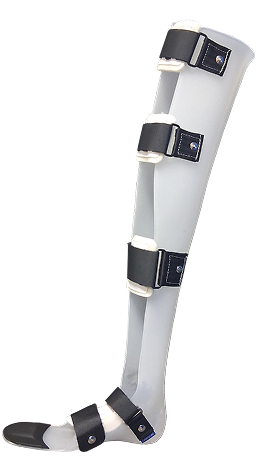
DAFO KAFO Static is a static knee-ankle-foot orthosis with no hinges at the knee. It combines a solid knee sleeve design with an AFO to help control foot, ankle, and knee position.
It is typically ordered for patients who need a resting or stretching KAFO and who require combined support across the knee, ankle, and foot.
DAFO KAFO Static does not include knee hinges, so it is intended for fixed positioning rather than controlled knee motion.
Yes. Based on the product description, it is commonly used when a patient needs a KAFO for resting or stretching purposes.
Yes. The design combines the static knee section with an AFO so foot and ankle position can be controlled along with knee alignment.
The information provided points to resting and stretching use. Since we do not have additional product details, I would avoid positioning it as a gait-focused device unless you have more source material.
It can be a good option when a patient needs solid, non-hinged lower-extremity positioning and when knee control cannot be addressed by an AFO alone.