Knee Hyperextension
Understanding how limited ankle movement can shift forces upward during walking, leading the knee to move beyond its usual range, and how thoughtful support can help guide safer, more efficient movement.
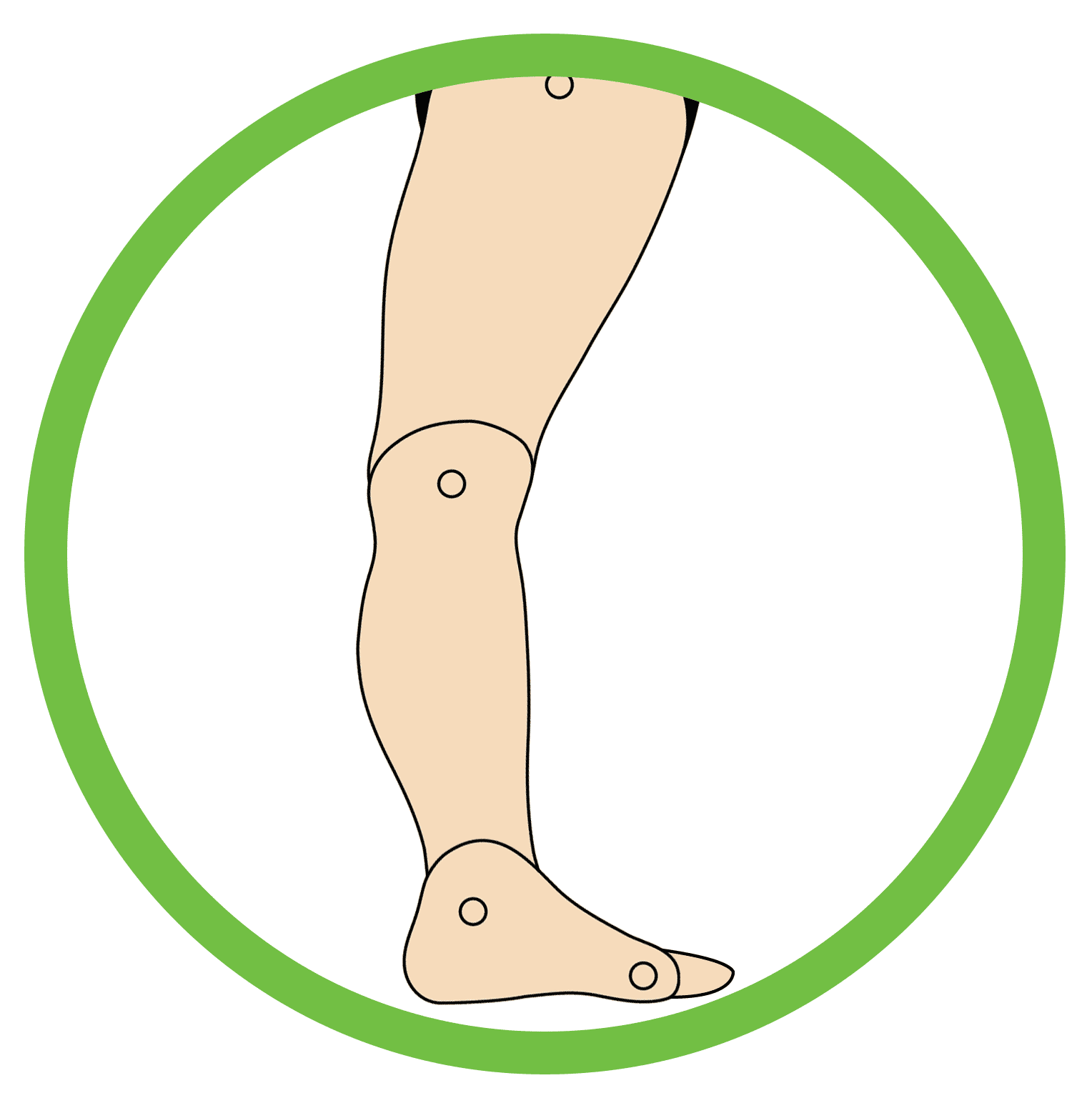
What Is Knee Hyperextension?
Knee Hyperextension is a gait pattern where the knee moves past its typical straight position during walking. This often happens as a compensation for excessive plantarflexion at the ankle. When the ankle cannot lift upward effectively, the body looks for another way to bring the heel to the ground. One common strategy is for the knee to extend backward beyond its normal range.
Instead of bending smoothly through the step, the knee may appear to snap or stretch back as weight is accepted. Over time, this can affect comfort, endurance, and movement efficiency. Knee Hyperextension is not a condition isolated to the knee alone. It reflects how ankle motion, knee mechanics, and overall gait timing interact.
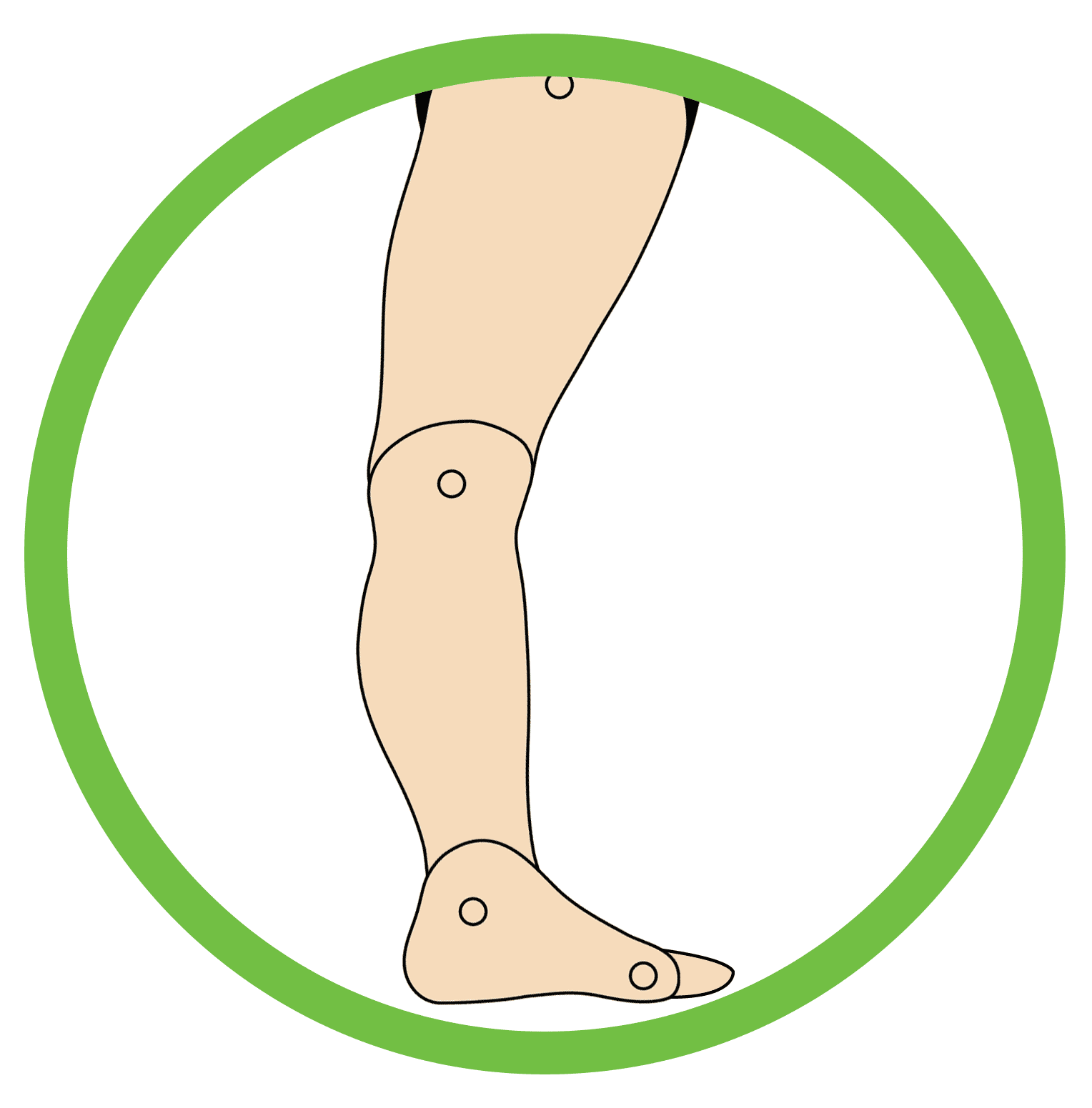
Understanding the terminology is essential:
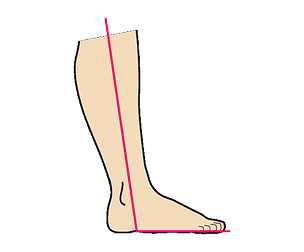
Plantarflexion
Pointing the foot downward at the ankle.
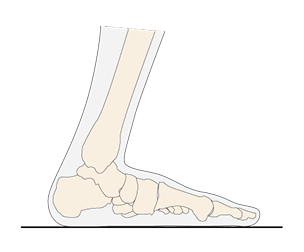
Dorsiflexion
Lifting the foot upward toward the shin.
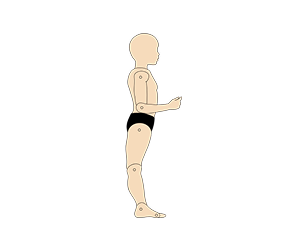
Hyperextension
Movement of a joint beyond its typical straight position.
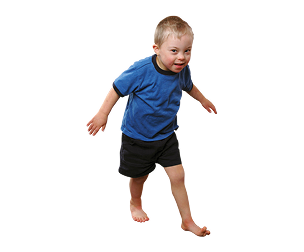
Compensation
A movement strategy the body uses when another joint or muscle is limited.
Severity Assessment
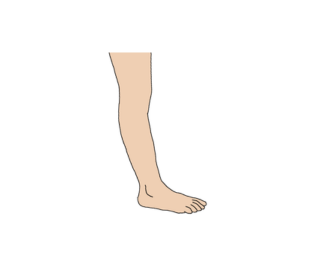
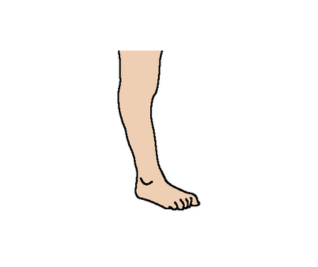
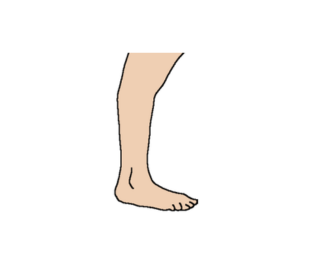
Q1. Select what knee flexion looks like
Q2. Select the frequency
Total Score
This Assessment is not a medical diagnosis. If you have any questions, please seek out a professional medical clinician.
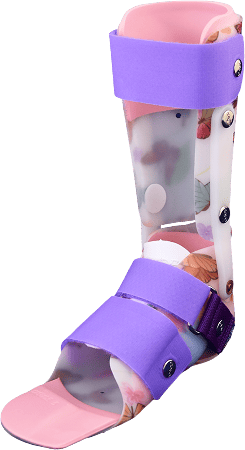
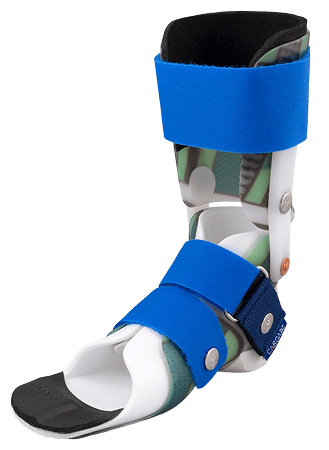
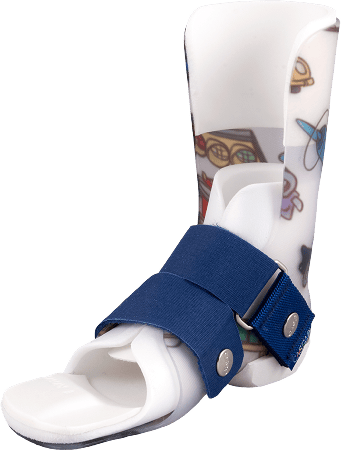
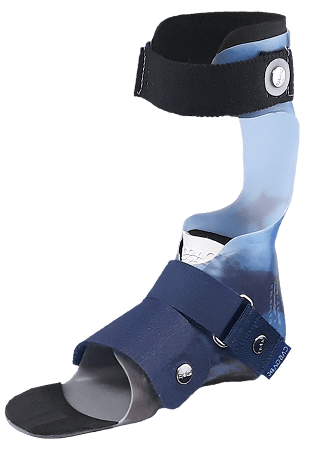
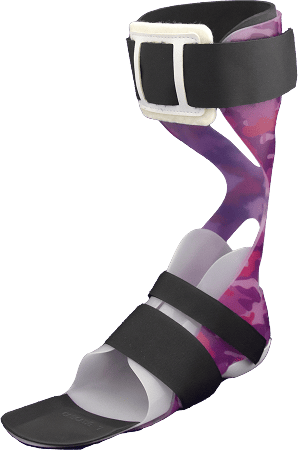
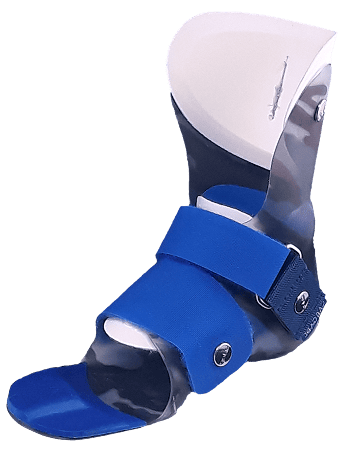
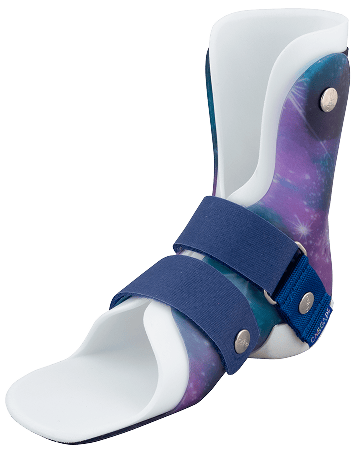
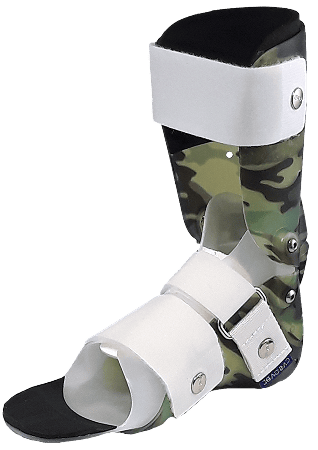
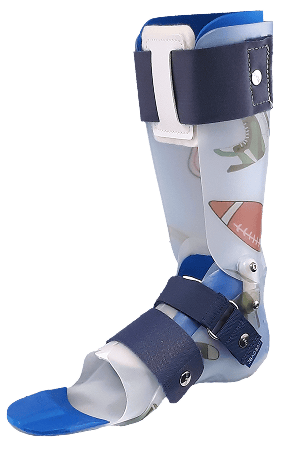
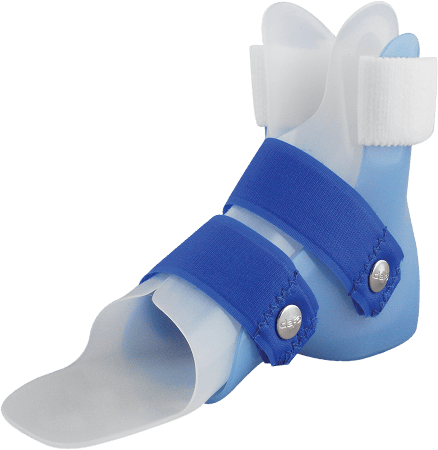
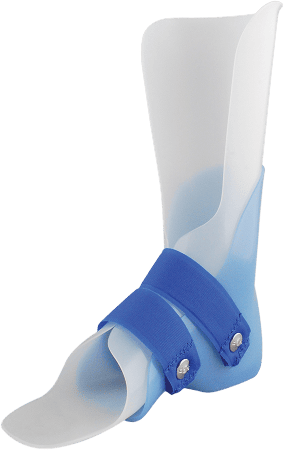
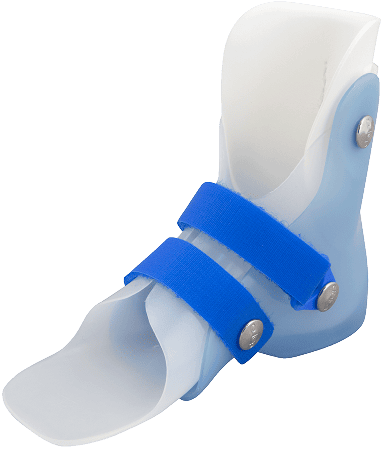
Suggested Bracing Options


Indicators of Success: How to Know It's Working
Families and care teams can monitor progress together. Signs that support is helping may include:
Reduced knee snapping during stance
Smoother transition through heel contact
Increased use of ankle dorsiflexion during walking
Improved comfort and endurance
Less reliance on knee-based compensation strategies
If knee hyperextension continues despite ankle guidance, discomfort develops at the knee or ankle, or growth and activity changes affect movement, the support plan may need to be reviewed.
Supporting the Journey: Family and Team Collaboration
Knee Hyperextension is easier to manage when everyone understands why the movement is happening, not just what it looks like.
Observing ankle and knee timing together
Watch how ankle motion affects the knee during walking rather than looking at the knee in isolation.
Sharing observations across settings
Home, clinic, and school may each reveal different patterns, especially with fatigue or changes in activity.
Focusing on movement quality
The goal is not perfect alignment at every moment, but safer, smoother, and more efficient movement.
Celebrating progress
Improvements in comfort, control, endurance, and confidence all matter and should be recognized.
As needs change over time, regular follow-up helps ensure the support continues to match comfort, fit, and functional goals.
Common Questions (FAQ)
Knee Hyperextension is a movement pattern where the knee moves backward beyond its usual straight position during walking or standing, often as a compensation for limited ankle control.
When the ankle cannot move or stabilize well, the body may use the knee to help complete the step or maintain balance.
Not necessarily. It often reflects how the ankle and knee are working together during gait rather than a knee-only issue.
Yes. Repeated hyperextension can make movement less efficient and may affect comfort, confidence, and tolerance for walking.
Less knee snapping, smoother walking, improved heel contact, better ankle use, and more comfortable, confident movement are all useful signs.