Excess Plantarflexion
Understanding how persistent downward ankle positioning affects walking, balance, and endurance, and how thoughtful orthotic support can help guide safer, more efficient movement.
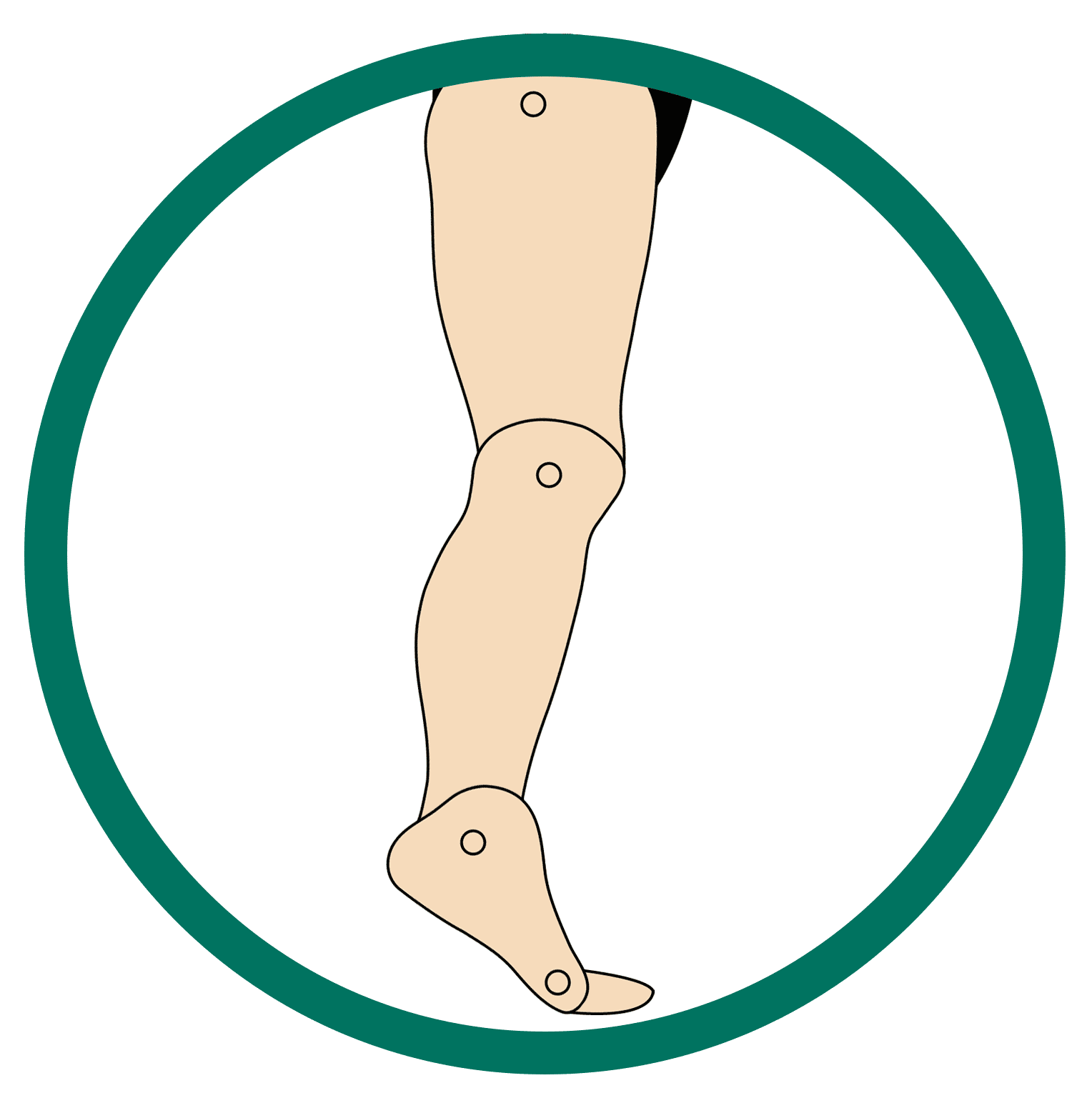
What Is Excessive Plantarflexion?
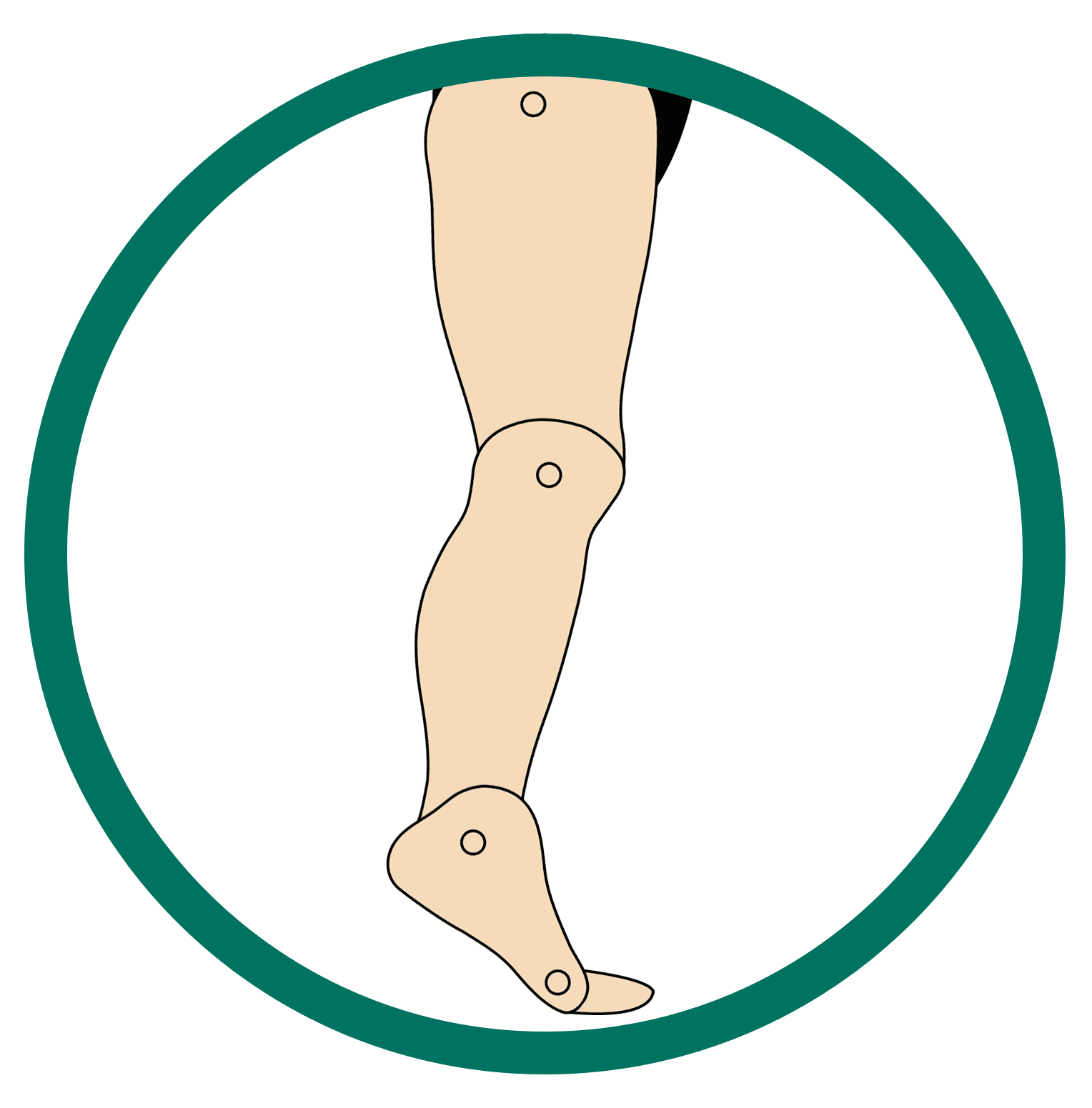
Excessive Plantarflexion describes a movement pattern where the ankle remains pointed downward through much of the walking cycle. This often appears as habitual toe-walking, reduced heel contact, or an early heel rise. Over time, limited upward ankle motion can shift balance forward and increase strain through the calf and the joints above the ankle.
This presentation is about how the ankle is being used, not about bone shape. Some individuals can move the ankle upward when guided, while others have tightness or resistance that limits dorsiflexion during everyday movement. The pattern may appear barefoot and in shoes, and it can change with speed, fatigue, or environment.
Understanding the terminology is essential:
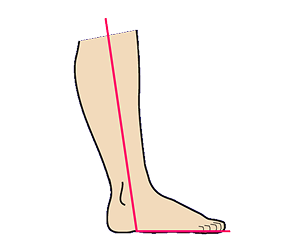
Plantarflexion
Pointing the foot downward at the ankle.
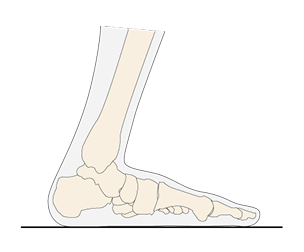
Dorsiflexion
Lifting the foot upward toward the shin.
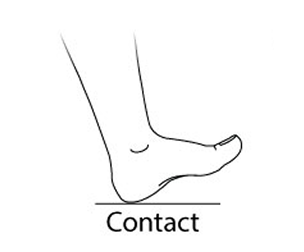
Heel Strike
The heel contacting the ground at the start of a step.
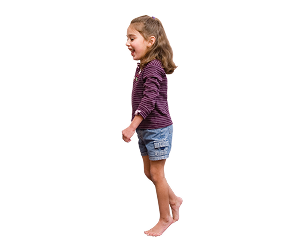
Toe-Walking
Walking primarily on the forefoot or toes.
Severity Assessment
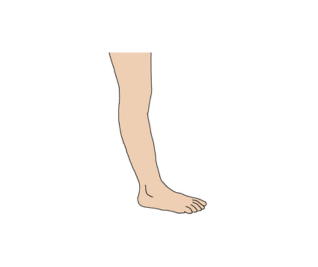
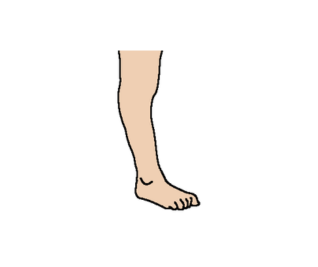
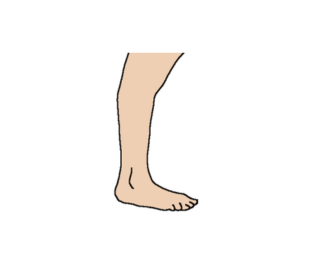
Q1. Select what ankle looks like
Q2. Select the frequency
Total Score
This Assessment is not a medical diagnosis. If you have any questions, please seek out a professional medical clinician.
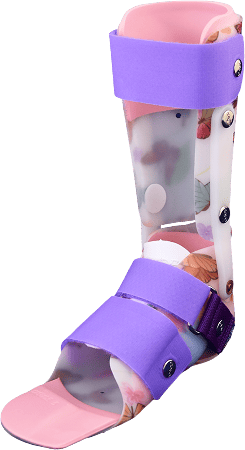
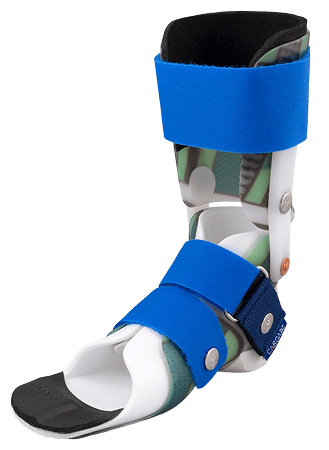
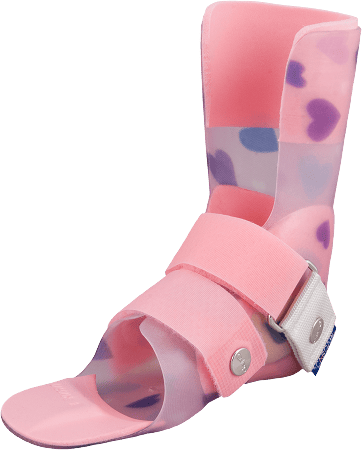
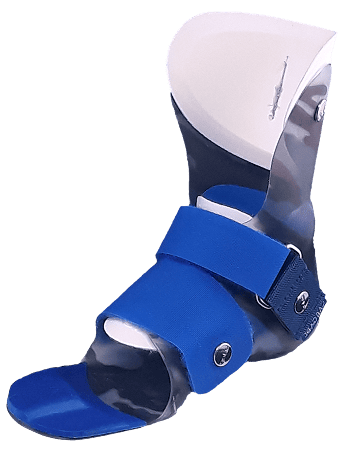
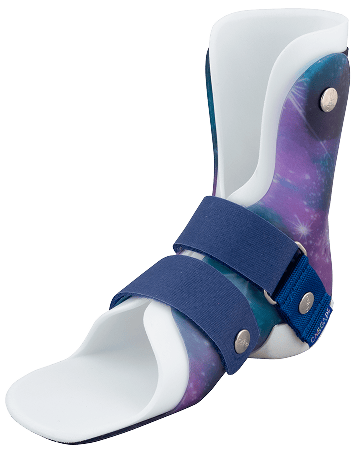
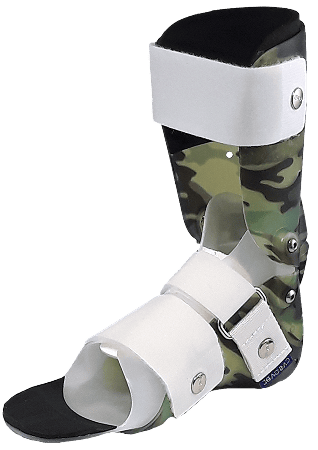
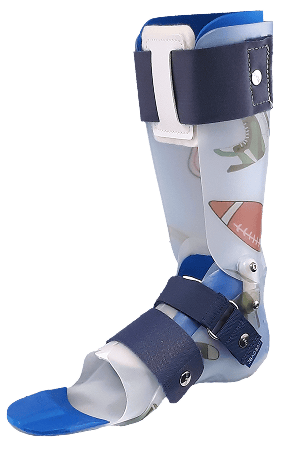
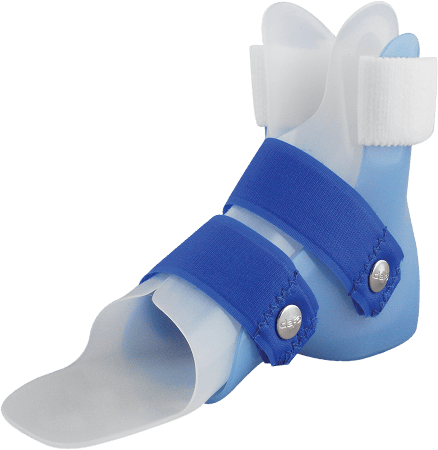
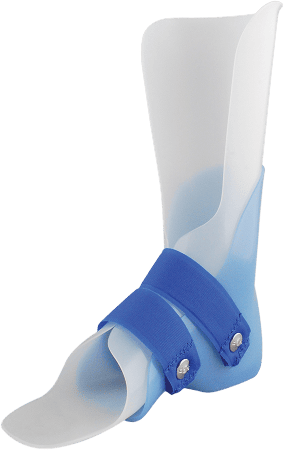
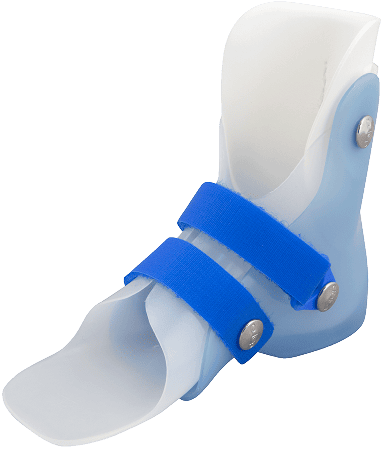
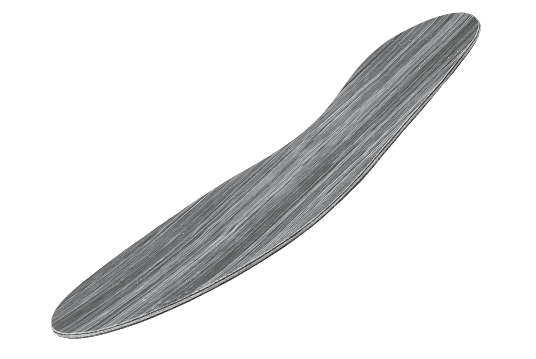
Suggested Bracing Options
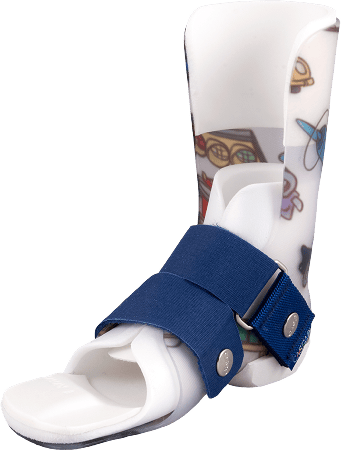
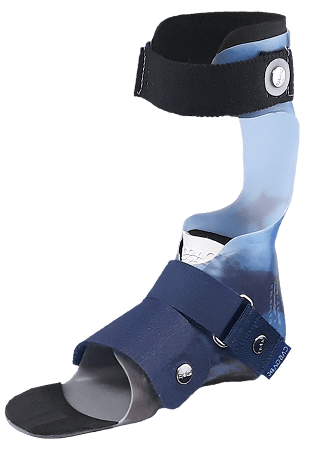
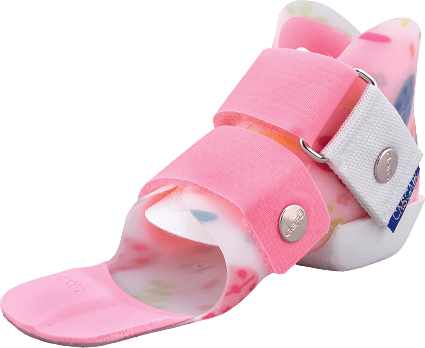
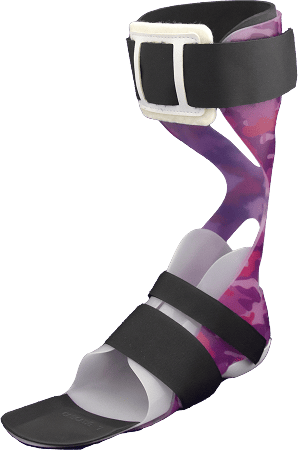
Indicators of Success: How to Know It's Working
Progress is usually reflected in movement quality and participation, not only in mechanics. Signs that support is helping may include:
Increased heel contact during walking
Smoother steps with delayed heel rise
Improved knee and hip alignment during stance
Greater comfort with standing and walking
More confident participation in daily activities
If redness or pressure persists, materials wear quickly, the device becomes uncomfortable, or activity and growth needs change, the support plan may need to be reviewed.
Supporting the Journey: Family and Team Collaboration
Consistency often makes a meaningful difference. Progress is easier to recognize when families, clinicians, and educators are watching for the same patterns and building routines around support.
Observing movement across situations
Watch how walking changes with speed, fatigue, and environment, since these patterns may not look the same all the time.
Sharing observations across home, clinic, and school
A shared understanding helps everyone notice what is improving and where support may need to change.
Building predictable routines
Consistent brace use can help the individual get more comfortable and make the intended movement pattern easier to practice.
Celebrating small gains
Even small improvements in comfort, balance, and confidence are meaningful and worth recognizing.
As needs change over time, regular follow-up helps ensure the support continues to match comfort, fit, and functional goals.
Common Questions (FAQ)
Toe-walking can be part of development, but when it persists or begins to affect comfort, balance, or function, support may be helpful.
Not always. Many devices are meant to guide movement by limiting excessive plantarflexion while still allowing dorsiflexion when appropriate.
Support can be adjusted over time, and progress is often monitored alongside movement routines and ongoing clinical input.
Yes. Devices are usually reassessed regularly so they continue to match growth, comfort, and functional needs.
Yes. More active individuals may need options that balance durability with flexibility so support remains effective during daily use.