High Tone Pronation/Supination
Understanding how increased muscle tone affects foot posture, movement, and stability, and how the right orthotic support can help guide safer, more efficient mobility.
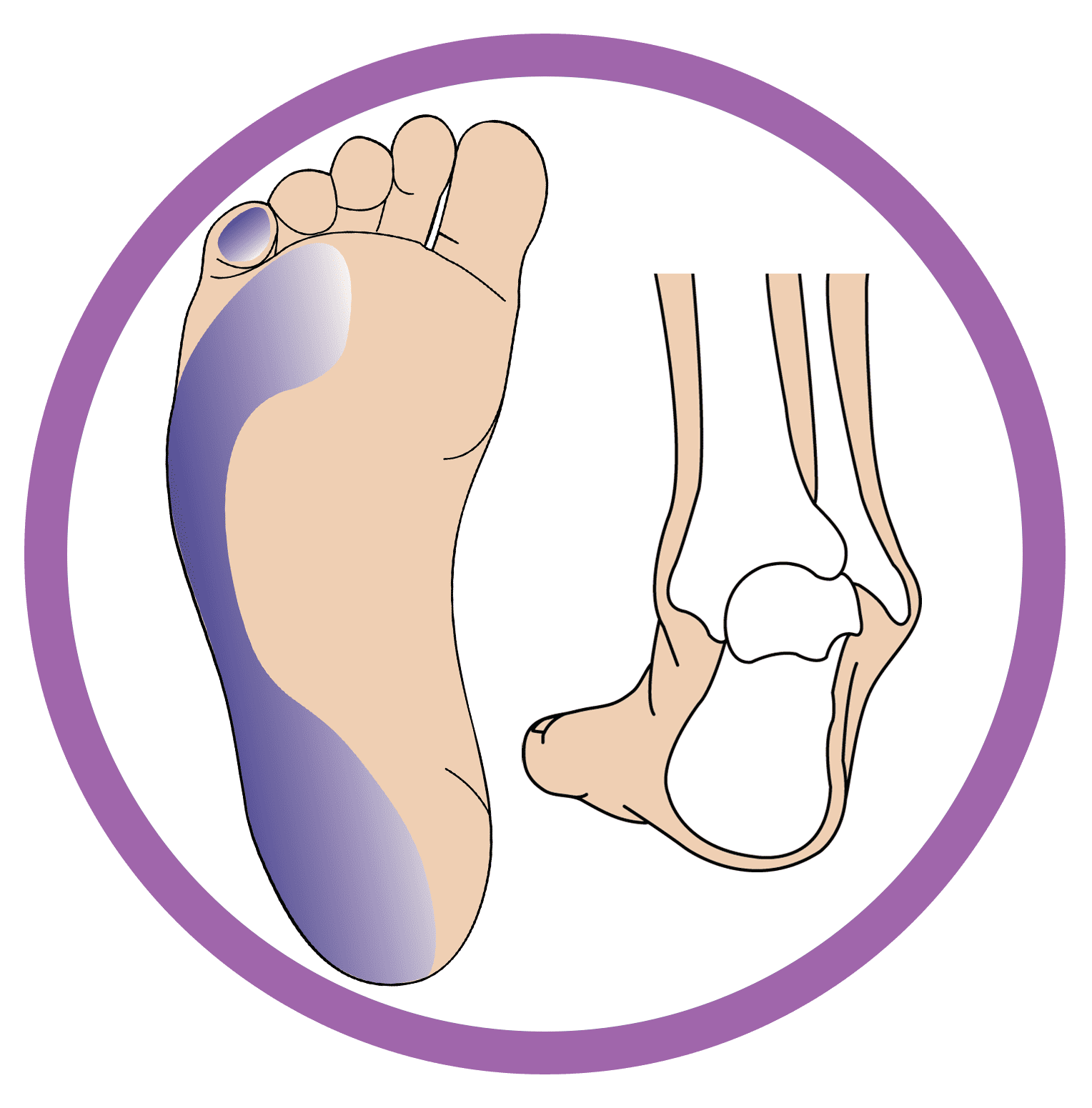
What Is High Tone Pronation and Supination?
High Tone Pronation and High Tone Supination are foot posture patterns shaped by increased muscle tone rather than by bone structure alone. In these presentations, muscles stay active when they should relax, which can hold the foot in a more fixed position during standing and walking.
Because the foot cannot adapt easily to shifting body weight or changing movement demands, its ability to absorb force, adjust for balance, and provide sensory feedback is reduced. This can affect how smoothly a person moves, how efficiently they respond to different surfaces, and how stable they feel during daily activity.
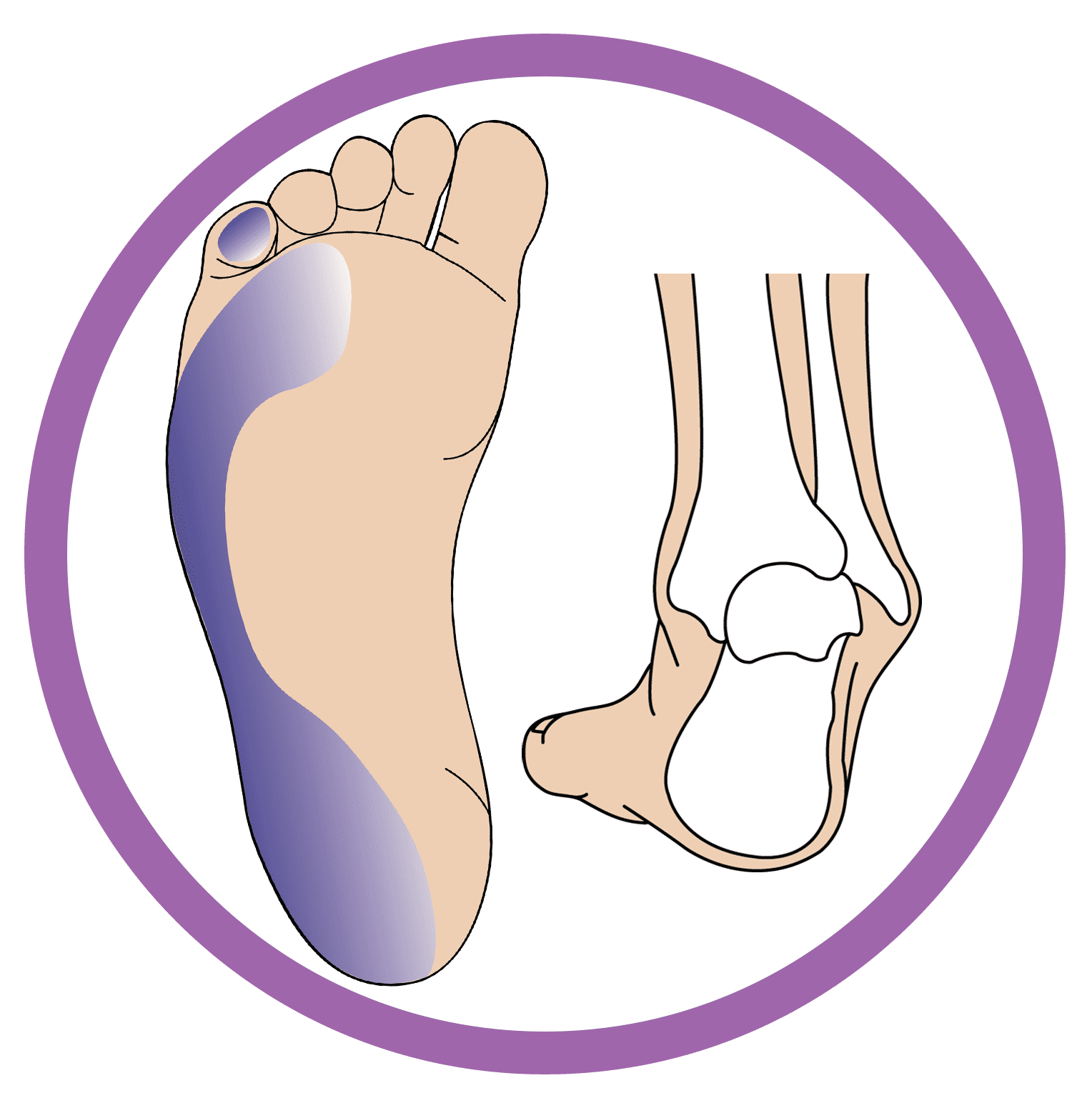
Understanding the terminology is essential:
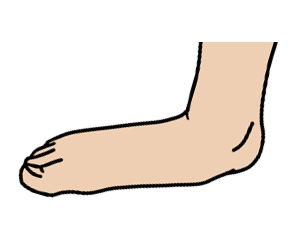
Pronation
Inward rolling of the foot during walking.
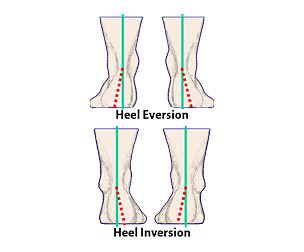
Heel eversion
When the heel turns outward instead of staying vertical.
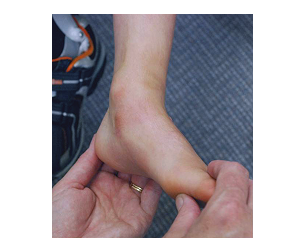
Muscle Tone
The level of background muscle activity present at rest or during movement.
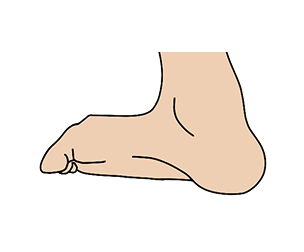
Supination
When the foot rolls outward during weight bearing.
Severity Assessment
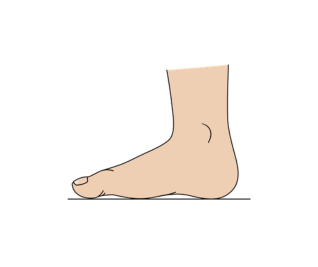
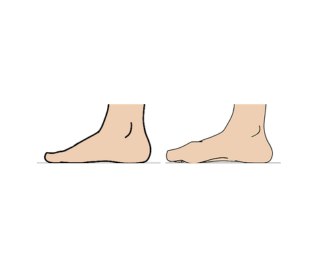
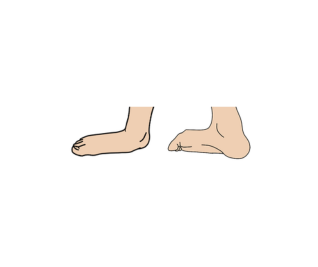
Q1. Select what the arch looks like -
Q2. Select what the heel looks like -
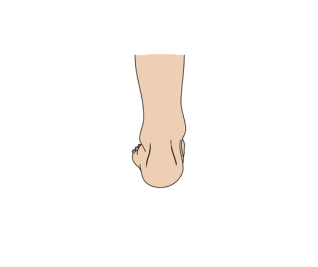
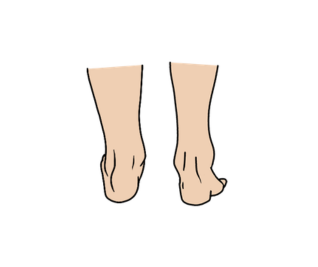
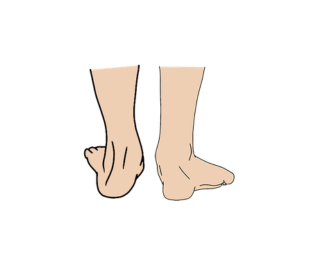
Q3. Select what the forefoot looks like -
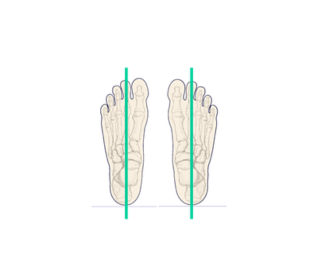
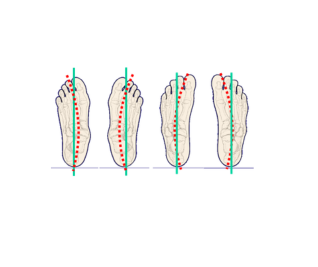
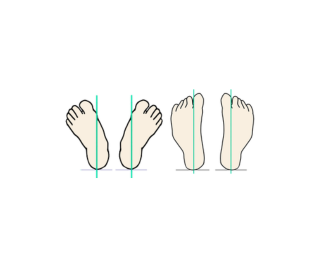
Total Score
This Assessment is not a medical diagnosis. If you have any questions, please seek out a professional medical clinician.
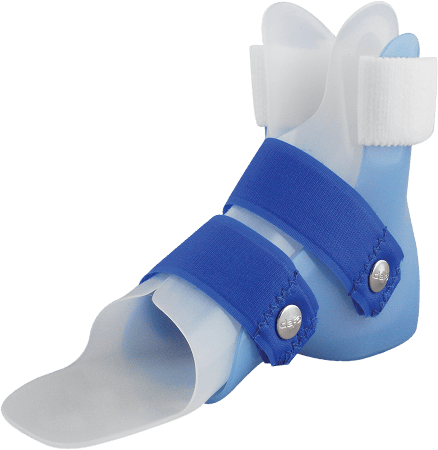
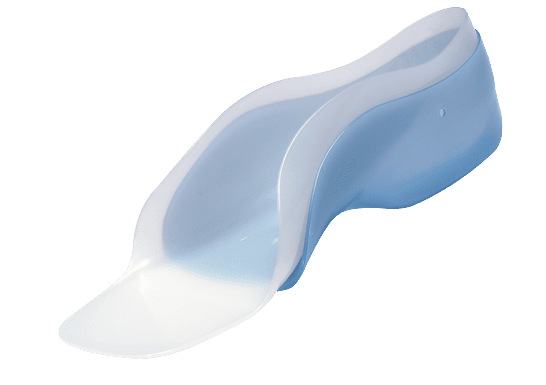
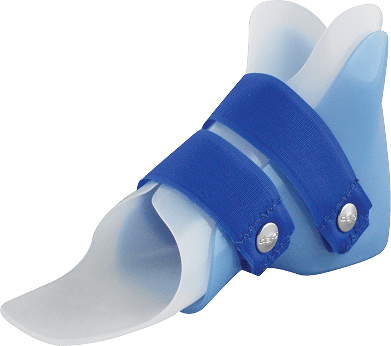
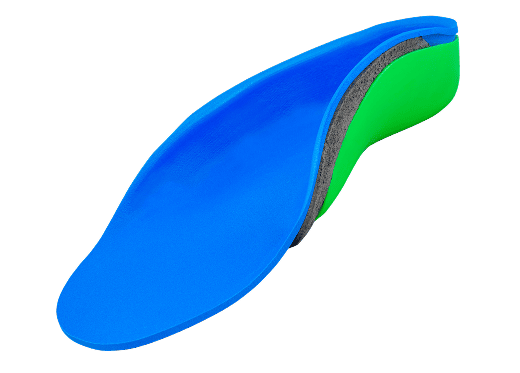
Suggested Bracing Options
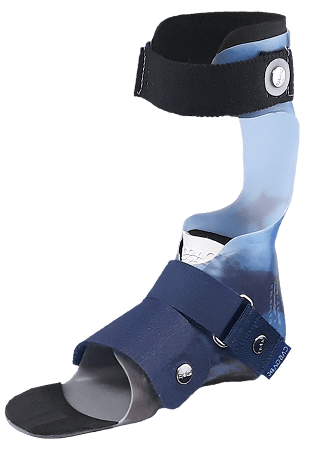
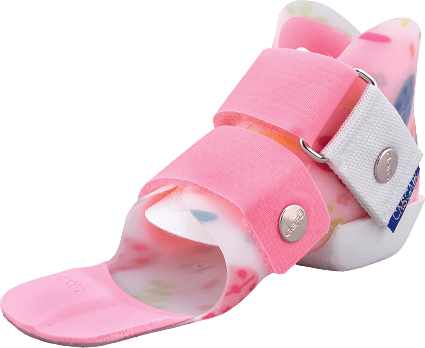
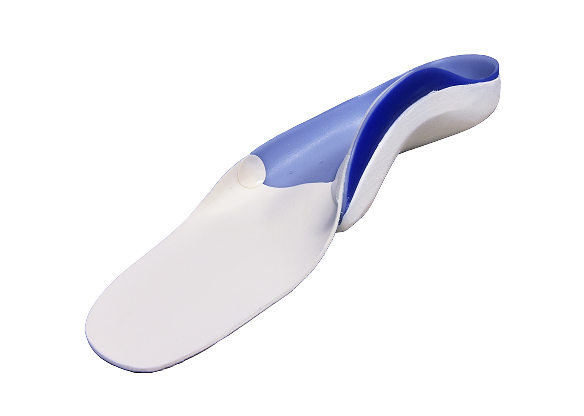
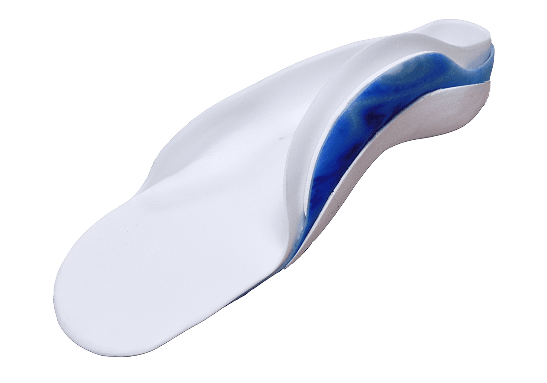
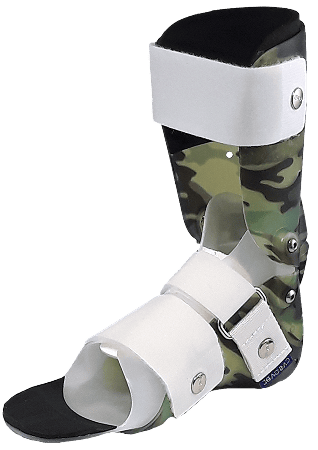
Indicators of Success: How to Know It's Working
Families and care teams can monitor progress together. Signs that orthotic support is helping may include
Improved balance and steadiness during standing and walking
Increased confidence and willingness to engage in movement
Greater endurance during play or daily activities
Reduced frustration or resistance related to brace use
If pressure areas persist, materials wear quickly, or comfort and tolerance change, the plan may need to be reviewed and adjusted.
Supporting the Journey: Family and Team Collaboration
Orthotic support works best when families, clinicians, and educators share the same understanding of goals and progress. The process is often most effective when everyone involved watches for change, communicates clearly, and builds support into daily routines.
Setting realistic expectations
Progress is often gradual, and small changes in movement quality or confidence can still be meaningful.
Building daily habits
Consistent brace use during appropriate activities helps reinforce the intended benefit.
Collaboration with care teams
Observations from home, clinic, and school can help guide decisions and improve consistency.
Celebrating milestones
Improvements in balance, endurance, or willingness to move deserve to be recognized.
As needs change over time, regular follow-up helps ensure the support continues to match comfort, fit, and functional goals.
Common Questions (FAQ)
High tone pronation means the foot is held more inward, while high tone supination means the foot is held more outward. In both cases, increased muscle tone limits the foot’s ability to adapt naturally during standing and walking.
Because the muscles remain active when they should relax, the foot may stay in one position rather than adjusting easily with weight-bearing or movement.
Not necessarily. These patterns can change over time, especially as movement matures, activity increases, or support strategies are adjusted.
Yes. When the foot cannot adapt well, it may reduce balance, limit shock absorption, and make movement feel more effortful or less smooth.
Improved steadiness, better tolerance for walking or play, smoother gait, increased confidence, and less frustration with movement are all useful signs