Swing Phase Inconsistency
Understanding how inconsistent ankle control during walking affects movement, balance, and confidence, and how orthotic support can help guide smoother, more reliable gait patterns.
What Is Swing Phase Inconsistency?
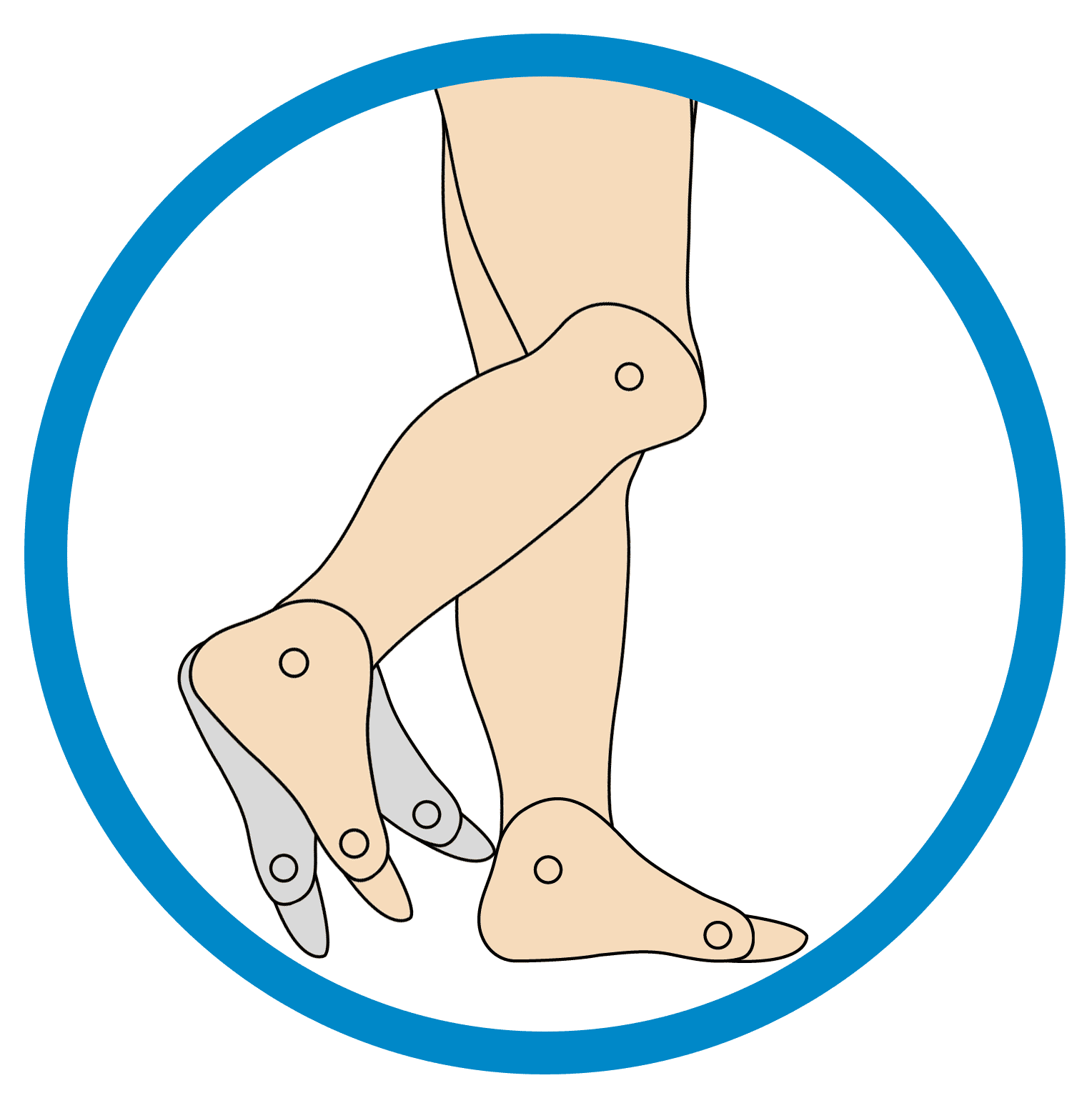
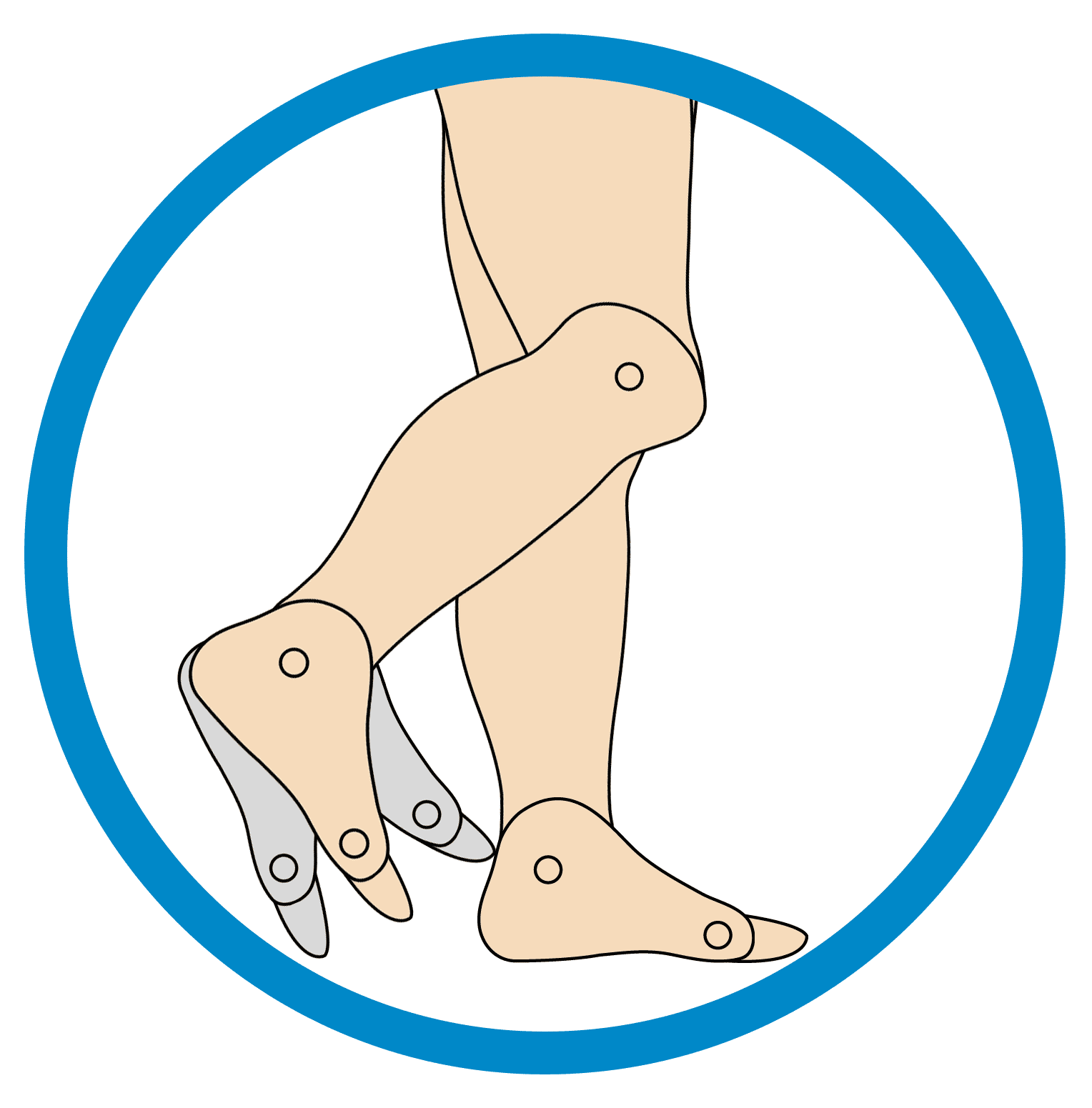
Swing Phase Inconsistency refers to unreliable control of ankle movement during the swing phase of gait, when the foot is off the ground and moving forward. Unlike presentations where the foot is held in a fixed position, the ankle here is capable of movement, but the timing and coordination are inconsistent.
This inconsistency can lead to variable foot clearance, unpredictable foot strike patterns, and compensatory movements higher up the leg. The main issue is not stiffness. It is control, especially as speed, terrain, or fatigue changes.
Understanding the terminology is essential:
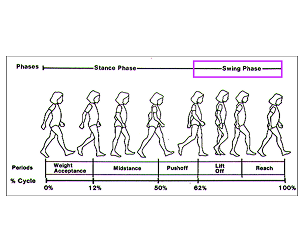
Swing Phase
The portion of walking when the foot is off the ground and moving forward.
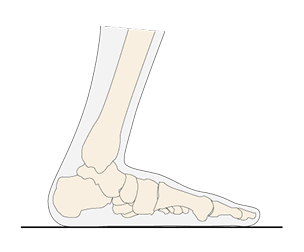
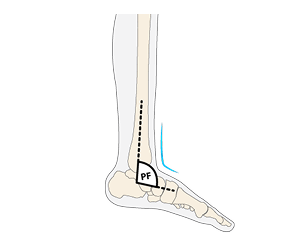
Dorsiflexion
Lifting the foot upward at the ankle.
Drop Foot
Difficulty lifting the front of the foot during swing, which may be constant or intermittent.
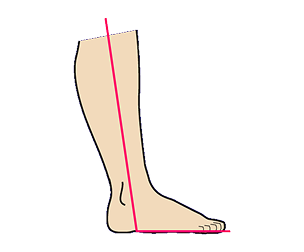
Plantarflexion
Pointing the foot downward.
Severity Assessment
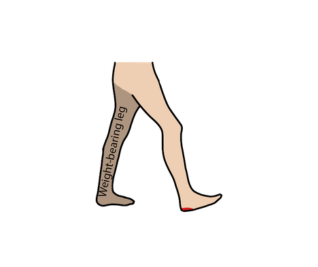
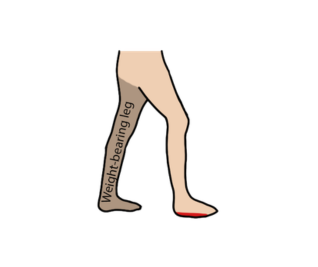
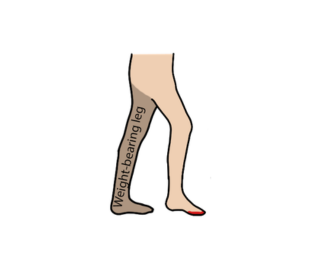
Q1. Select what foot landings look like
Q2. Select the frequency
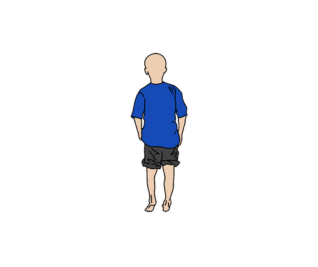
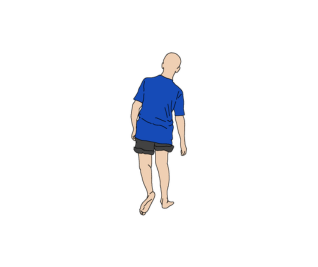
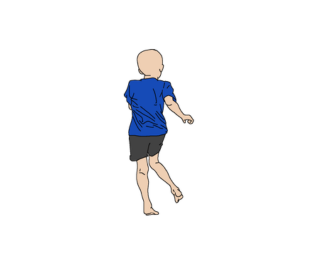
Q3. Select knee/hip compensation
Total Score
This Assessment is not a medical diagnosis. If you have any questions, please seek out a professional medical clinician.
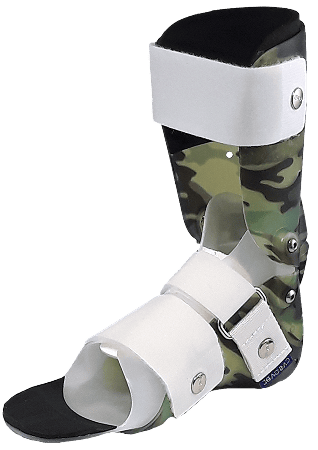
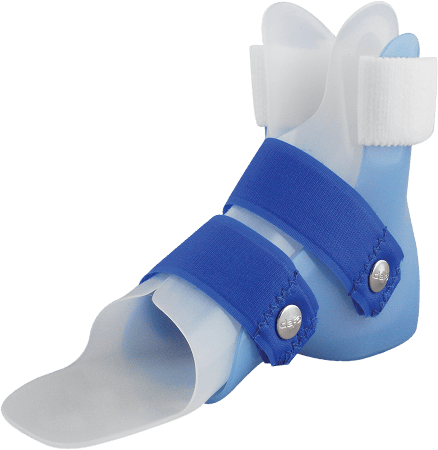
Suggested Bracing Options
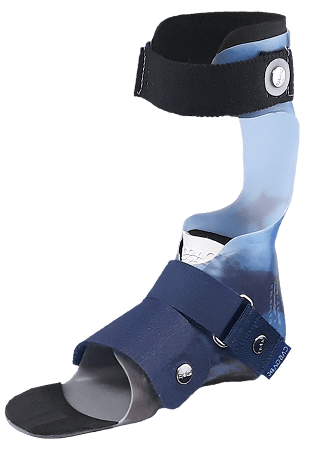
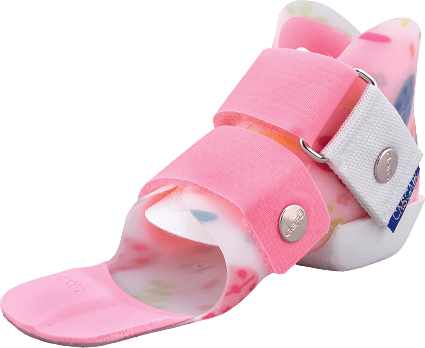
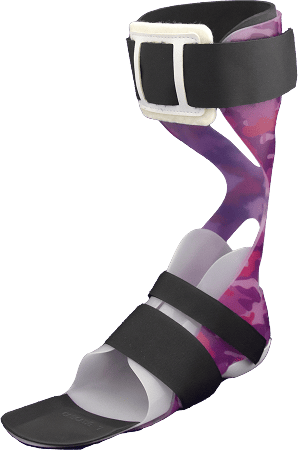
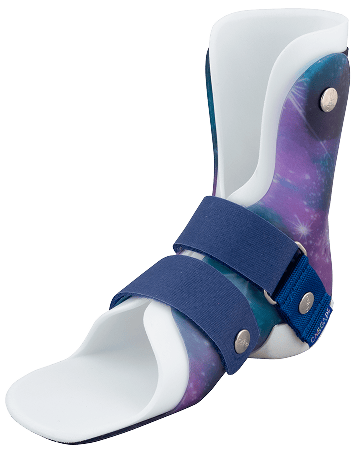
Indicators of Success: How to Know It's Working
Progress is usually reflected in movement quality and participation, not only in mechanics. Signs that support is helping may include:
More consistent foot clearance during walking
Increased heel-first landings
Reduced knee or hip compensations
Improved confidence on varied terrain
If toe drag continues despite support, discomfort or pressure areas appear, fatigue patterns change, or device materials begin to wear down, the support plan may need to be reviewed.
Supporting the Journey: Family and Team Collaboration
Consistency improves when families, clinicians, and educators are watching for the same patterns and sharing what they observe. Swing Phase Inconsistency often changes with speed, terrain, and fatigue, so daily experience matters
Watching how movement changes
Pay attention to how walking looks in different environments and at different energy levels.
Communicating across settings
Observations from home, clinic, and school help build a clearer picture of when support is helping and when it may need adjustment.
Building consistent routines
Predictable brace use can help improve confidence and support better movement habits over time.
Celebrating milestones
Improvement is not just about mechanics. Confidence, participation, and willingness to move also matter.
As needs change over time, regular follow-up helps ensure the support continues to match comfort, fit, and functional goals.
Common Questions (FAQ)
Swing Phase Inconsistency means the ankle and foot do not move forward in a reliable way during the swing phase of gait, when the foot is off the ground and moving into the next step.
In this presentation, the foot is usually capable of movement, but the control and timing are inconsistent rather than fixed.
It may show up as variable foot clearance, inconsistent heel strike, occasional toe drag, or step-to-step changes in how the foot lands.
It often becomes more noticeable with fatigue, speed changes, uneven terrain, or increased movement demands.
More consistent foot clearance, fewer compensations, improved heel-first landings, better endurance, and greater confidence on different surfaces are all meaningful signs.