Low Tone Pronation
Understanding the condition, recognizing what is seen, and knowing how to support movement with the right orthotic solutions.
What Is Low Tone Pronation?
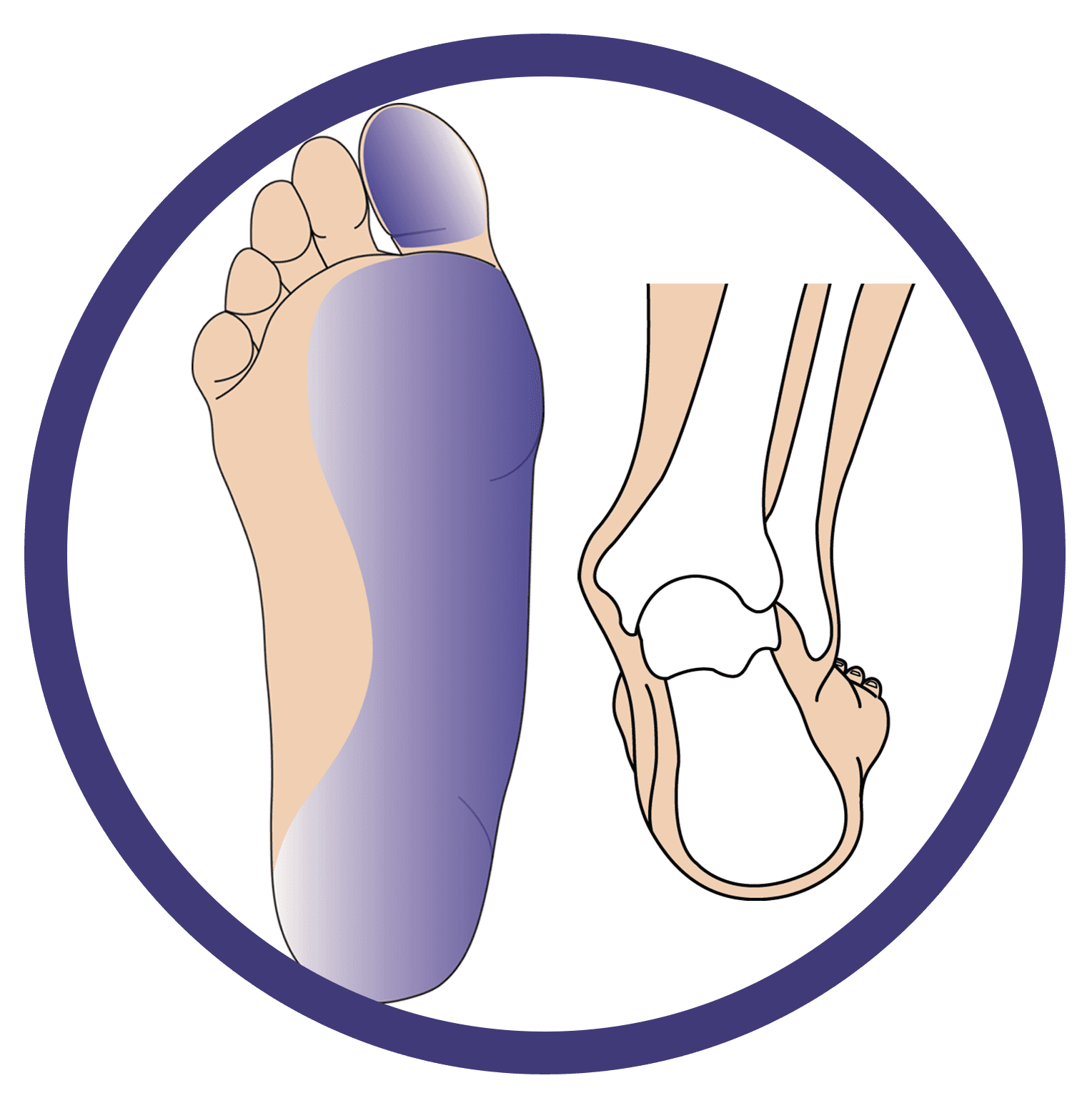
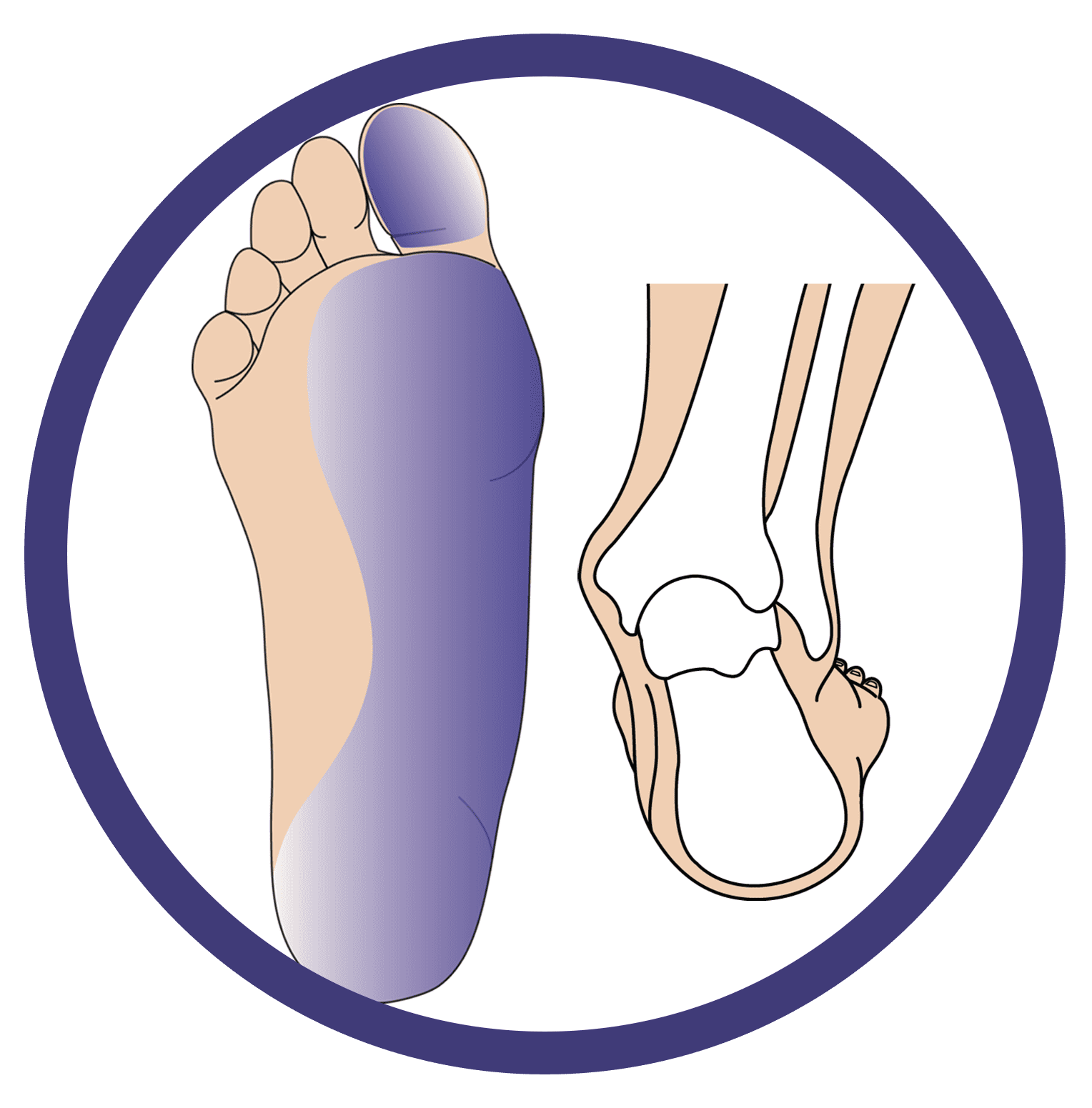
Low tone pronation is a foot presentation where the neuromuscular system does not provide enough feedback and muscle control to support stable alignment. The skeletal structures of the foot are typically normal, but the muscles, ligaments, and motor control systems may not offer the support needed to keep the foot in an efficient position during standing or walking.
As a result, the foot tends to collapse inward, often with the arch flattening and the heel rolling outward. This can make it harder for the child to achieve full range of motion, maintain balance, or use the foot as a stable base for movement. Over time, low tone pronation may affect posture, walking efficiency, and overall lower-limb alignment, especially during weight-bearing activities.
Understanding the terminology is essential:
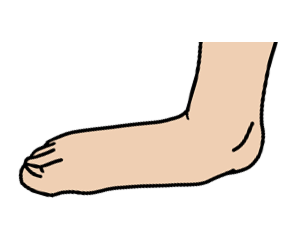
Pronation
Inward rolling of the foot during walking.
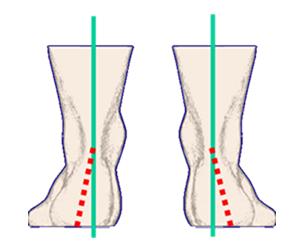
Heel eversion
When the heel turns outward instead of staying vertical.
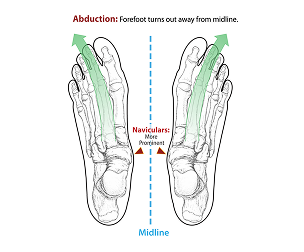
Forefoot abduction
Outward splaying of the toes relative to the forward line of gait.
Severity Assessment
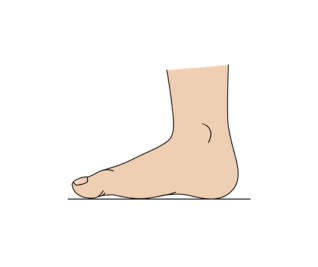
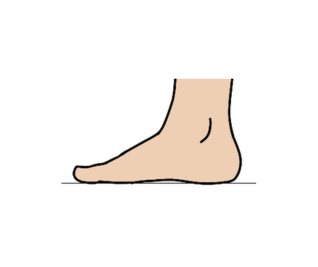
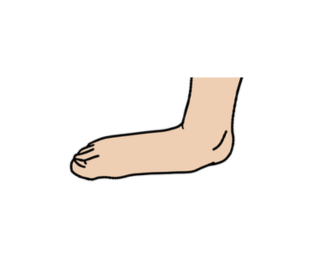
Q1. Select what the arch looks like under weight-bearing -
Q2. Select what the heel looks like under weight-bearing -
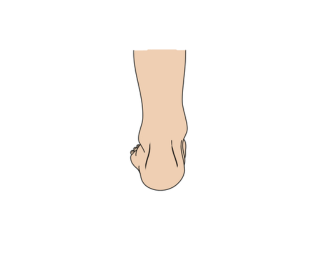
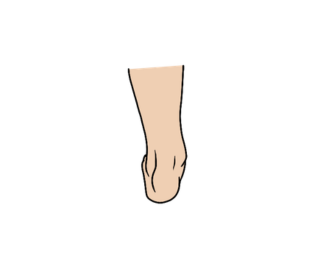
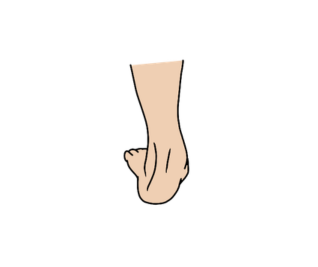
Q3. Select what the forefoot looks like under weight-bearing -
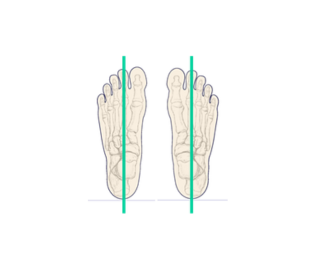
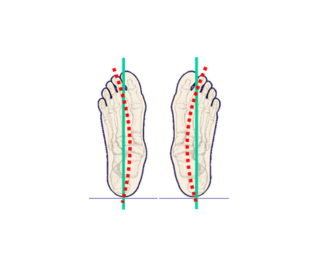
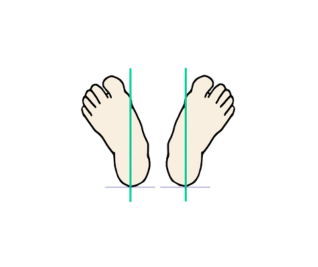
Total Score
This Assessment is not a medical diagnosis. If you have any questions, please seek out a professional medical clinician.
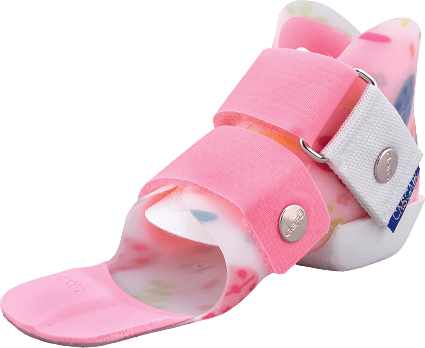
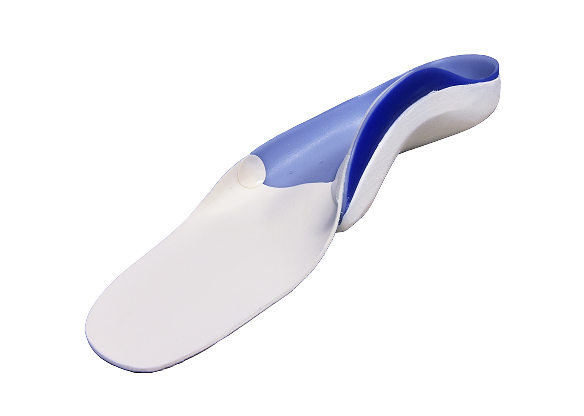
Suggested Bracing Options
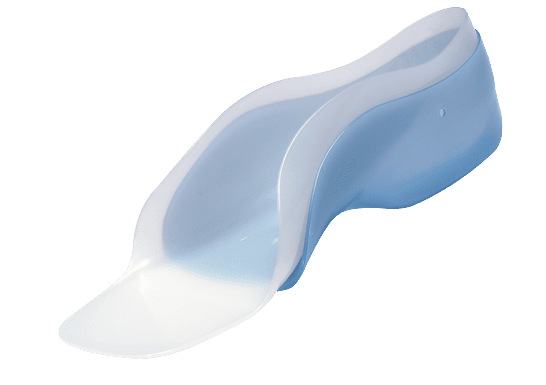
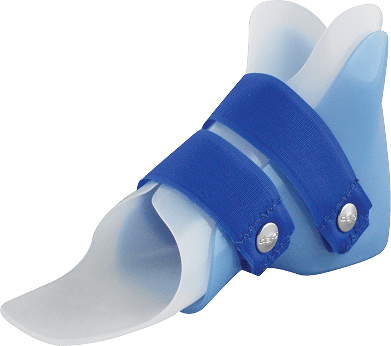
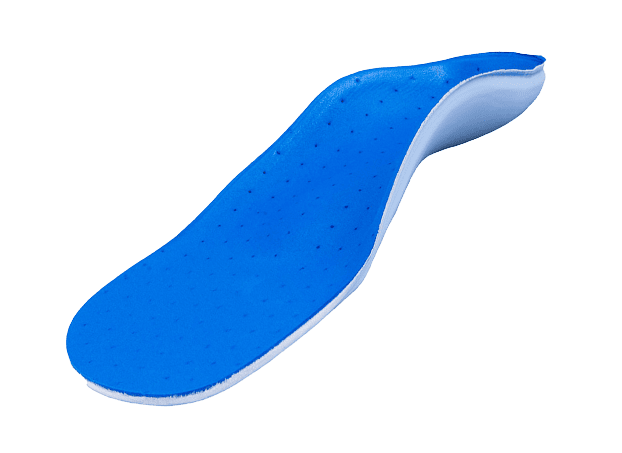
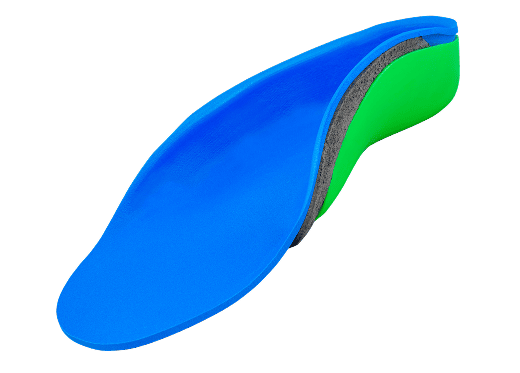
Indicators of Success: How to Know It's Working
Families and care teams can monitor progress together. Successful outcomes often show up as:
Improved balance and posture through the kinetic chain
Fewer falls or stumbles, greater confidence in activities
Increased stamina and willingness to try more complex movements
Patients are comfortable and not resisting brace use
If pressure areas persist, materials wear quickly, or comfort and tolerance change, the plan may need to be reviewed and adjusted.
Supporting the Journey: Family and Team Collaboration
Bracing is most effective when therapists, orthotists, and families work together. Key strategies include:
Setting realistic expectations — progress is gradual and requires patience
Building daily habits — brace wear during key activities ensures functional benefit
Collaboration with care teams — regular follow-ups with therapists and orthotists
Celebrating milestones — every improvement, from longer standing tolerance to smoother gait, matters
As needs change over time, regular follow-up helps ensure the support continues to match comfort, fit, and functional goals.
Common Questions (FAQ)
Before getting a brace, it's important to ask about the fitting process, expected outcomes, care instructions, and any adjustments that may be needed.
The orthosis is checked for comfort, alignment, and ease of donning/doffing. Minor adjustments may be made on the spot.
Properly fitted orthoses should be comfortable. Some initial adjustment period is normal, but persistent pain should be addressed with your healthcare provider.
Gradual introduction and positive reinforcement can help. Start with short periods and gradually increase wear time. Consult with your healthcare provider for additional strategies.
Yes, orthoses can often be adjusted or modified as your child grows. Regular follow-up appointments are important to ensure proper fit and function.