Positioning / Limited Ambulation
Understanding how orthotic support can provide comfort, protection, and safe positioning for individuals with limited or no walking, and how thoughtful alignment choices can support daily care and transitions.
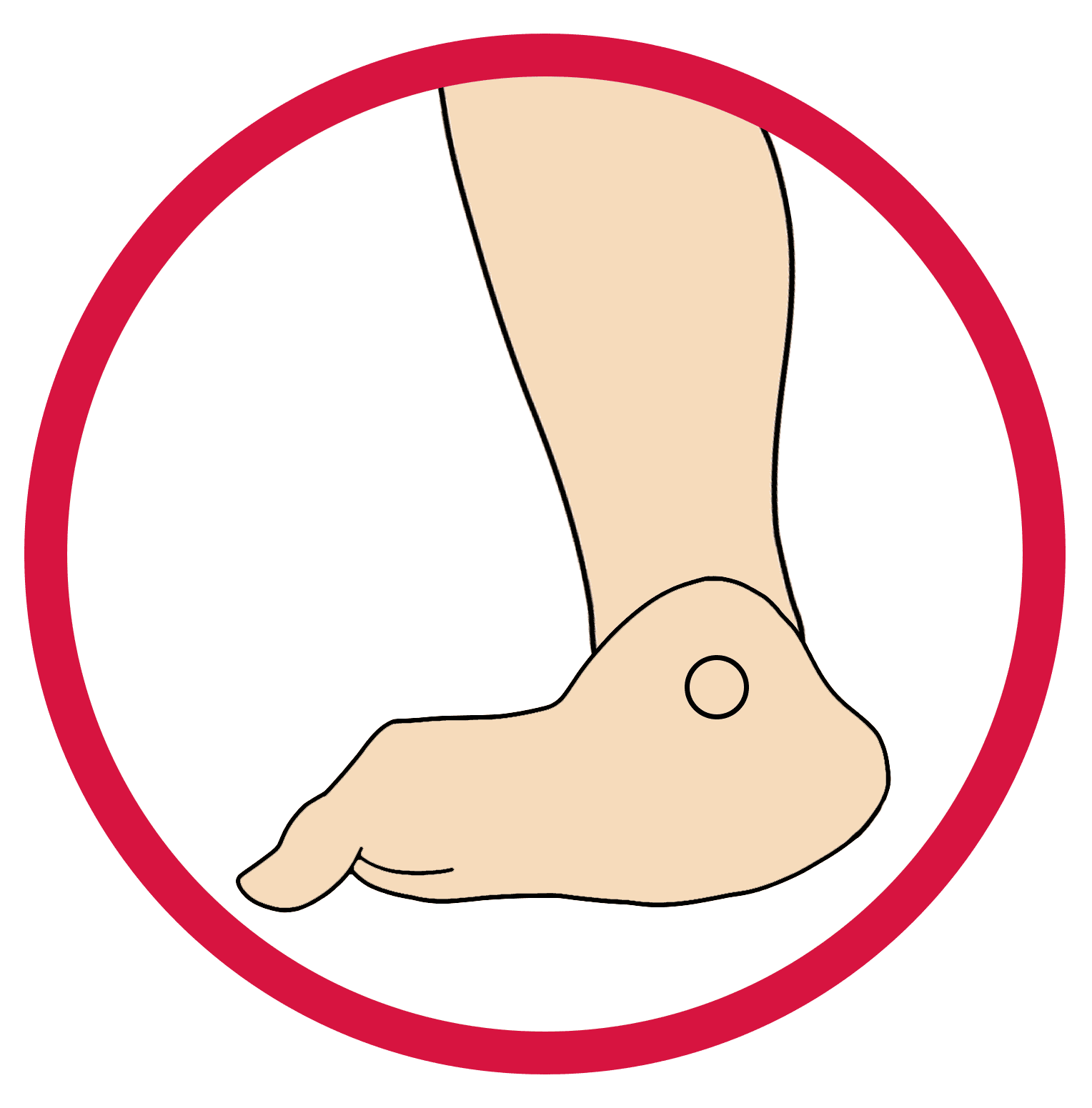
What Is Positioning / Non-Ambulatory?
Positioning / Non-Ambulatory is not a diagnosis. It is a patient group that includes individuals with limited or no weight-bearing and walking. In this category, the purpose of orthotic support is different from movement-focused presentations.
Rather than helping the body practice walking or build strength, orthotic devices here are used to support comfort, protect joints and skin, and hold the feet in positions that are more manageable for daily care. This support may also help during brief moments of standing or transfers, even when independent walking is not expected. This approach focuses on finding the best achievable position of comfort and function for each individual, recognizing that not all feet can or should be pushed toward a standard corrected alignment
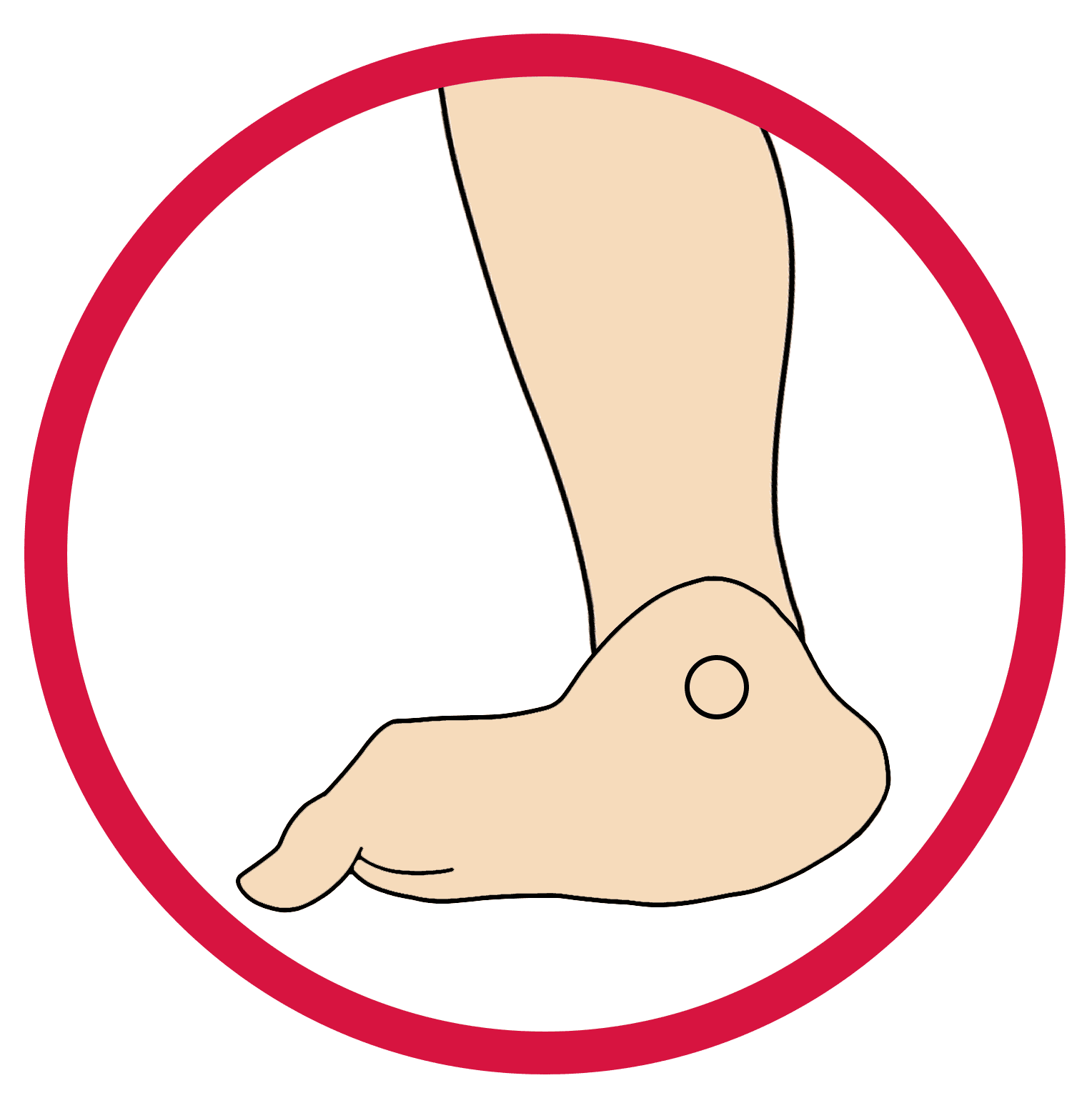
Understanding the terminology is essential:
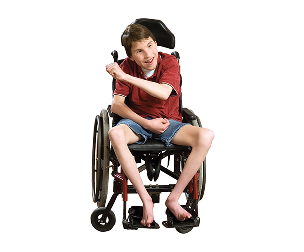
Non-Ambulatory
Limited or no independent walking.
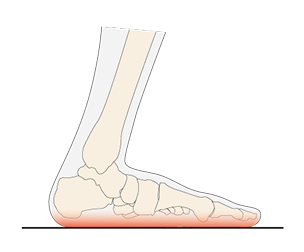
Weight-Bearing
Supporting body weight through the legs and feet.
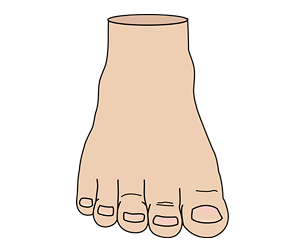
Neutral Forefoot
The front of the foot aligned without inward or outward tilt.
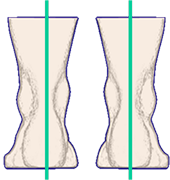
Vertical Hindfoot
The heel aligned straight under the leg.
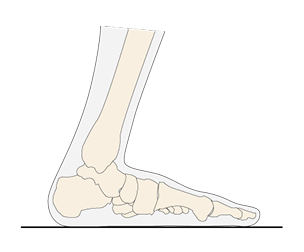
Dorsiflexion
Lifting the foot upward at the ankle.
Severity Assessment
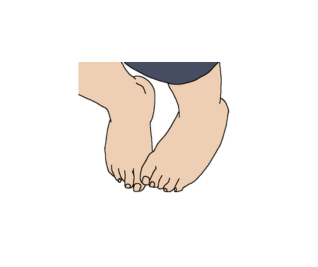
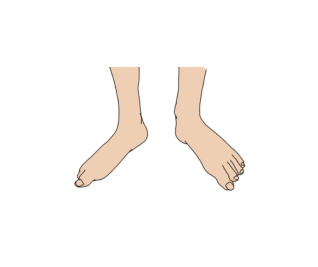
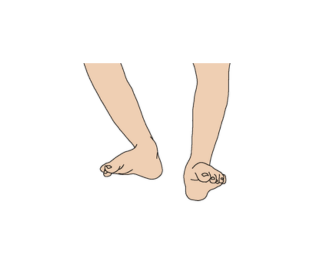
Q1. Select what the foot position looks like
Total Score
This Assessment is not a medical diagnosis. If you have any questions, please seek out a professional medical clinician.
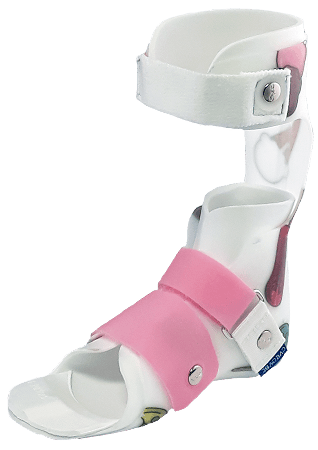
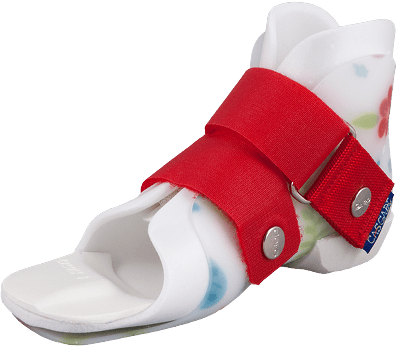
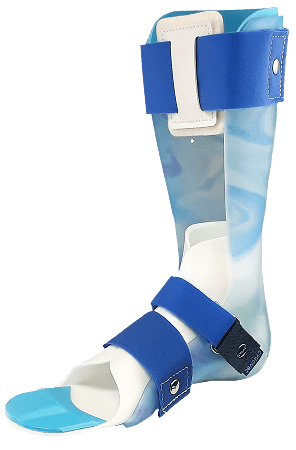
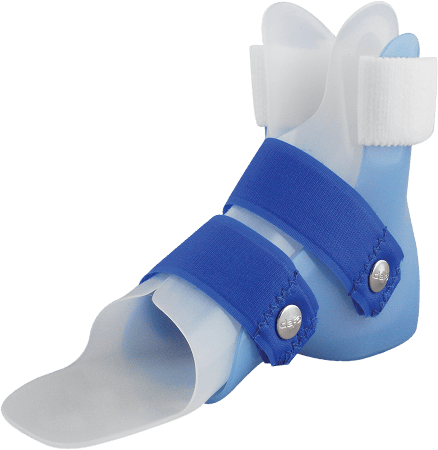
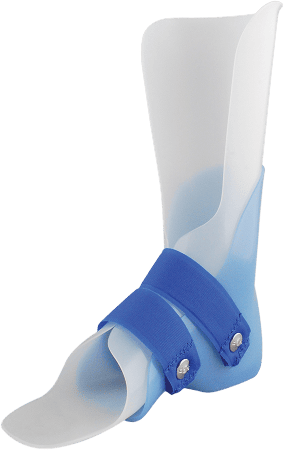
Suggested Bracing Options
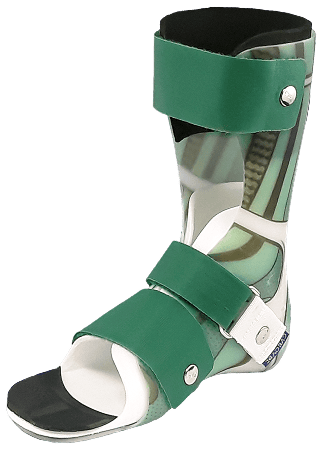
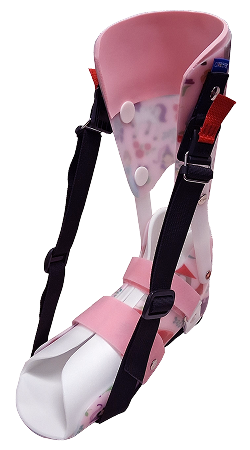
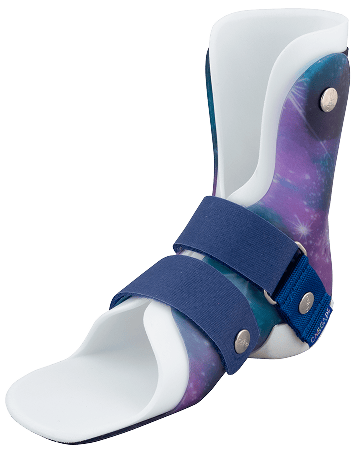
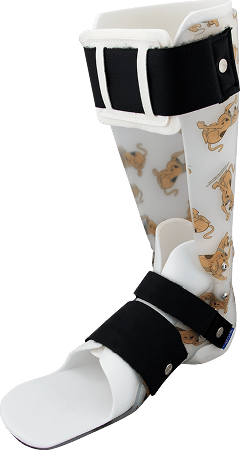
Indicators of Success: How to Know It's Working
Success in this category is defined by comfort, tolerance, and safety rather than by movement milestones. Signs that support is helping may include:
Improved comfort during sitting and positioning
Reduced signs of pressure or irritation
Easier and safer transfers
Better tolerance of supported standing when used
Less distress related to foot and ankle positioning
If redness, pressure areas, growth-related fit changes, or new comfort and transfer needs appear, the plan may need to be reviewed and adjusted.
Supporting the Journey: Family and Team Collaboration
Positioning / Non-Ambulatory care works best when everyone involved shares the same goals. In this group, the main priorities are comfort, safety, and protection.
Focusing on comfort and safety
The goal is not to force movement, but to support daily life with better tolerance and safer handling.
Watching for changes in skin and tolerance
Pressure areas, sensitivity, and fit changes matter and should be communicated early.
Coordinating across home, clinic, and school
Shared observations help make support more consistent across all daily care settings.
Revisiting support as needs change
Growth, changes in routine, and shifts in tolerance often mean that positioning strategies need to evolve over time.
As needs change over time, regular follow-up helps ensure the support continues to match comfort, fit, and functional goals.
Common Questions (FAQ)
Not always. In many cases, they are designed to support existing alignment comfortably rather than force change.
Devices are fabricated to reach as close to the ideal position of balance that an individual patient can comfortably achieve.
Yes. Growth and changes in tolerance often require reassessment and adjustment.